




Volume 216 - Issue 4
Lead poisoning outbreak from consumption of contaminated Ayurvedic medication
Authors: Mark J Ferson, Sinead Flanigan and Toni Cains
Med J Aust 2022; 216 (4): 212-213. || doi: 10.5694/mja2.51422
Published online: 7 March 2022
Published online: 7 March 2022
To the Editor: In August 2020, the South Eastern Sydney Public Health Unit, located in New South Wales, Australia, received a statutory laboratory notification of an elevated blood lead level of 0.34 µmol/L in a preschool‐aged child recently diagnosed with autism. This was above the 0.24 µmol/L level requiring notification under the Public Health Act 2010 (NSW). The test had been requested by the child's paediatrician due to concern about the child’s recent consumption of an oral Ayurvedic medicine prescribed by a naturopath.
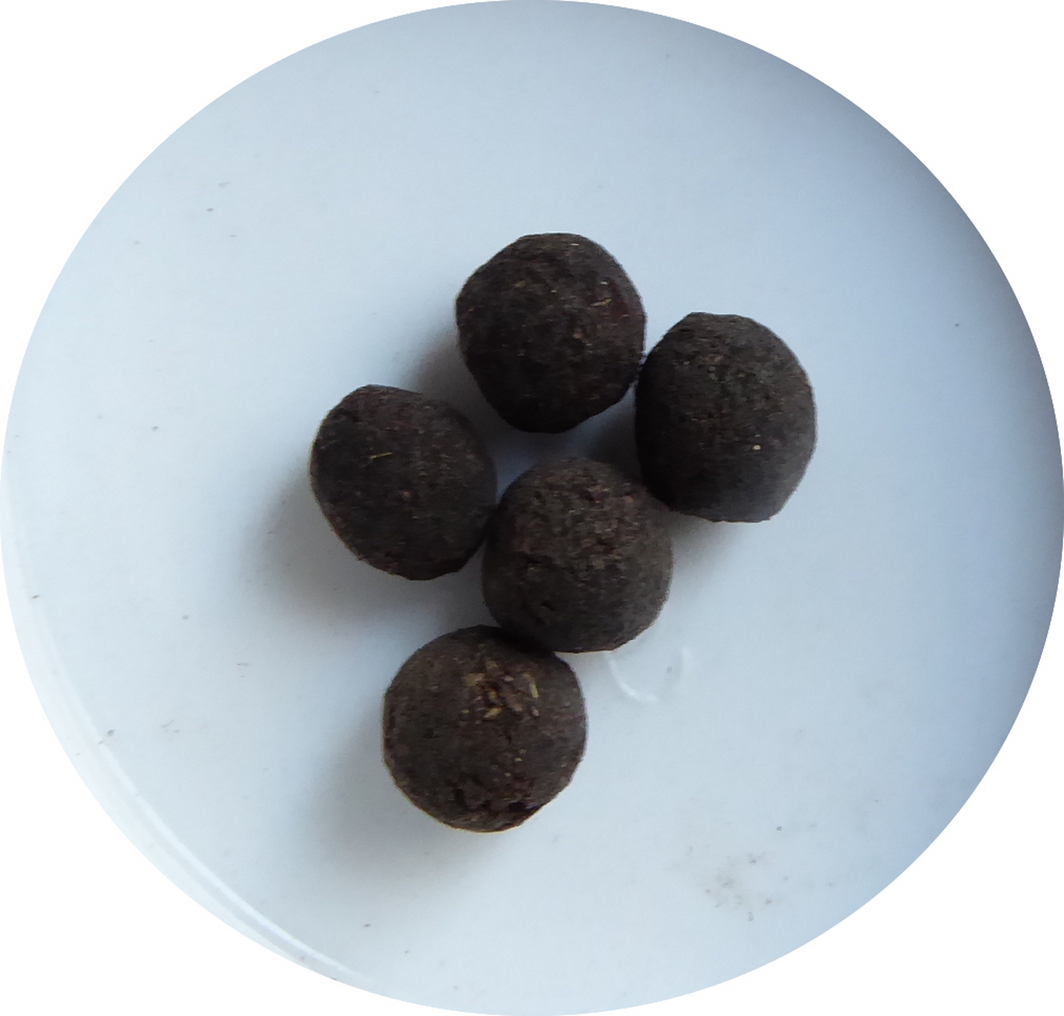
Our environmental health officers undertook a home lead assessment, during which a soil sample and the Ayurvedic medication sample were taken for heavy metals analysis. The soil lead concentration was 160 mg/kg. The medication was labelled Manasmithra Vatika (MV), manufactured in India (Box). Analysis revealed that it comprised 0.96% lead by weight. The naturopath indicated that they had prescribed the medication to other child and adult patients, some of whom were seeking treatment for autism. Most consultations were conducted online and the prescriptions were purchased online.
We were concerned about the risk of lead toxicity in the naturopath’s other patients who had been prescribed MV, and mounted a public health investigation in order to inform patients of their risk, to advise them to cease use of the medication, and to identify the extent of the problem.
The naturopath provided a list of 28 patients (13 children) to whom they had prescribed the medication. We directly followed up the 12 NSW patients (other than the index case), asking whether they had taken MV, and, if so, in what dosage and over what period. We advised those who were taking MV to immediately cease its use, and to seek blood lead level testing through their own doctors. We asked patients to provide us with any remaining MV for lead analysis.
Five patients provided MV samples; analysis showed lead content of 0.74–0.96% (mean, 0.81%) by weight. Four patients had an elevated blood lead level ranging from 0.30 to 0.68 µmol/L (reference interval, < 0.24 µmol/L). A fifth patient, whose blood lead level was undetectable (< 0.1 µmol/L) had ceased taking the MV at least 3 months before measurement.
Based on these findings, we initiated a multi‐agency investigation involving NSW and Australian government regulatory bodies. Action taken against the naturopath by the Australian Health Practitioner Regulation Agency and NSW Health Care Complaints Commission prohibited them from treating medical conditions, such as autism. The naturopath voluntarily ceased prescribing MV and immediately contacted their patients to inform them of the lead adulteration of the preparation.
The NSW distributor of the MV medication was investigated by the NSW Health Pharmaceutical Regulatory Unit and the Therapeutic Goods Administration, leading to the distributor ceasing to import the adulterated MV. The Therapeutic Goods Administration issued a public warning regarding the presence of lead in MV preparations generally, without naming an implicated brand or source.1
Lead exposure in children can be linked to reduced intelligence, and behavioural and developmental impacts.2,3 Ayurvedic medicines are formulated and prescribed based on ancient Indian texts. Although they are herbally based, Ayurevedic texts also provide for formulation with heavy metals including lead.4 Their use has been associated with elevated blood lead levels in patients.5 The public health investigation and subsequent multi‐agency intervention we have described prevented ongoing exposure of patients to a lead‐contaminated herbal product.
As a result of this investigation, we suggest:- ▪ health practitioner awareness be raised regarding the risks of recommending or prescribing unregistered, imported medications;
- ▪ clinicians consider testing for blood lead in patients who have consumed unregistered, imported Ayurvedic medications;
- ▪ public health professionals be engaged in the investigation of patients with elevated blood lead levels in the absence of an occupational source;
- ▪ community awareness be raised regarding the risk of consuming unregistered, imported Ayurvedic medications; and
- ▪ a multi‐agency response is required to effectively address prescribing of unsafe complementary medications by unregistered health professionals.
Competing interests
No relevant disclosures.
Acknowledgements
We acknowledge Antony Underwood for his clinical acumen in linking the possibility of lead poisoning with consumption of Ayurvedic medication in the index case, and thank all those who assisted in the public health response.
References
- Therapeutic Goods Administration. Manasmithra Vatika (manasamitram pills) Ayurvedic medicine. Safety advisory – contains dangerous levels of lead and other metals. 25 Sept 2020. https://www.tga.gov.au/alert/manasmithra‐vatika‐manasamitram‐pills‐ayurvedic‐medicine? (viewed July 2021).
- Santa Maria MP, Hill BD, Kline J. Lead (Pb) neurotoxicology and cognition. Appl Neuropsychol Child 2019; 8: 272–293.
- Tait PA, Vora A, James S, et al. Severe congenital lead poisoning in preterm infant due to a herbal remedy. Med J Aust 2002; 177: 193–195. https://www.mja.com.au/journal/2002/177/4/severe‐congenital‐lead‐poisoning‐preterm‐infant‐due‐herbal‐remedy
- Gogtay NJ, Bhatt HA, Dalvi SS, Kshirsagar NA. The use and safety of non‐allopathic Indian medicines. Drug Saf 2002; 25: 1005– 1019.
- Breeher L, Mikulski MA, Czeczok T, et al. A cluster of lead poisoning among consumers of Ayurvedic medicine. Int J Occup Environ Health 2015; 21: 303–307.
Gabapentinoid Poisoning Presentations to Victorian Emergency Departments: A 15-Year Trend Analysis
Bishaal Tej Gurung, Amy McNeilage, Angus Skeen, Tina Lam, Joanna F. Dipnall, Jane Hayman, Suzanne Nielsen, Ting Xia
Self-Poisoning With Prazosin and Its Off-Label Use in Australia, 2014–2024: Analysis of NSW Poisons Information Centre Data
Olivia B. E. Lal, Nicholas A. Buckley, Rose Cairns
The risk of death after hospitalisation following intentional self‐poisoning: a retrospective observational study (PAVLOVA‐2)
Firouzeh Noghrehchi, Nicholas A Buckley, Rose Cairns
The public health impacts of mining in Australia
Javier Cortes‐Ramirez, Ruby N Michael, Leisa‐Maree Toms, Melissa Haswell
No silver lining with health misinformation: argyria caused by intentional silver consumption
Luke Collins, Logesh Palanikumar, Stephen Bacchi
Hyperkalaemic cardiac arrest due to cream of tartar ingestion
Daniel Yee Lee Ng, Laksmi Govindasamy, Andrew Hughes, Hwee Min Lee