




Volume 223 - Issue 10 Supplement
The CURE Asthma roadmap
Authors: Gary P Anderson, Anthony Flynn, Phil G Bardin, John D Blakey, Shyamali C Dharmage, Paul Foster, Peter G Gibson, Adam Jaffe, Alan James, Christine R Jenkins, Sundram Sivamalai, Peter D Sly, Guy B Marks, Vanessa M McDonald and Judy Wetttenhall
Med J Aust 2025; 223 (10 Suppl): S9-S15. || doi: 10.5694/mja2.70094
Published online: 17 November 2025
Published online: 17 November 2025
Cures for asthma will require a sustained, decade-long program of discovery science partnered with best clinical expertise
Why CURE Asthma and why now?
Asthma is invariably described as an incurable condition, but there is no scientific basis for believing that asthma is fundamentally incurable. The CURE Asthma initiative grew directly out of the Asthma Australia National Asthma Research Agenda1 and the National Health and Medical Research Council Centre of Research Excellence in Treatable Traits (CRE‐TT) consultations for establishing the research need priorities of people with asthma and their carers in Australia. They unequivocally want cures: no more asthma attacks, no further loss of life, work, or school, and markedly improved quality of life.2 People with asthma and their carers ask, as we can already achieve on‐treatment remission in some people with asthma:3,4 why are permanent cures not possible? The CURE Asthma initiative was born of the refusal to accept that asthma is incurable, to specifically assert the ambition to cure asthma and to end the burden of asthma through focused translational research.
The objective of this article is to summarise the CURE Asthma roadmap, an integrated research strategy developed by Australian experts in clinical medicine, epidemiology, and basic science in our leading universities, research institutions, and hospitals, and developed in direct partnership with people with asthma and their carers and key organisations and groups involved in asthma research or improving the lives of people with asthma (Box 1). It is a stand‐alone overview of the CURE Asthma research strategy and complements the detailed reviews of the scientific evidence discussed in the other articles in this supplement.
What is a cure? Asthma or the asthmas?
There is currently no consensus definition of “asthma cure”, although definitions of remission have been proposed. Building on the framework of Dennis and colleagues in this supplement,5 we can reasonably anticipate that the definition of cure will encompass either a sustained elimination of clinical disease, with resolution of pathophysiological and molecular disease indices; or, preferably, the assessment of a biomarker or combination of biomarkers that definitively establish cure. Asthma is a clinically diverse syndrome with several distinct clinical endotypes (molecular disease pathways associated with different targeted therapies).6 “Asthma” therefore describes a family of related conditions, the asthmas, for which a single curative intervention is unlikely. Achieving cures will require precise molecular signatures that define each endotype, and validated responses to therapy. Ultimately, it is probable that elimination of the asthmas will not result from a single breakthrough, but rather a series of targeted advances in therapy, tailored to specific molecular endotypes and probably applied early in the disease course, when its trajectory can still be modified and before irreversible pathology has developed.6 In this article, we focus on treating established asthma and on key opportunities for intervention during transitions in health status, but we acknowledge the importance of ongoing research into primary prevention, the optimisation of current care, and severe asthma, areas in which important progress has been made.7,8,9,10,11
Tractable opportunities
Our tractable opportunities strategy is built on Australian epidemiological findings that confirm that the asthmas are acquired conditions in susceptible people, as detailed in this supplement by Evans and colleagues12 and Lodge and colleagues.13 In brief, if something has switched asthma on, we can discover how to switch it back off. This strategy has allowed us to:
- Identify key epidemiological transitions and trajectories from health to disease; for example, when children at risk develop asthma after repeated viral infections. Transitions are important because they are also points of contact with health care, provide the paradigms for clinical trials, and can be rigorously modelled in experimental systems.12,13
- Define the nature of the pathobiological processes underlying these transitions; for example, reprogramming of the immune system and dysregulated injury and repair. As we know that our most effective anti‐inflammatory strategies do not prevent asthma, our scientific task is to swim further upstream to higher level biological control mechanisms that distinguish health from disease, as discussed by Zhuang and colleagues.14
- Harness leading science, new technologies, and the rapid advances in artificial intelligence (AI)‐assisted computational biology to elucidate the molecular regulatory machinery involved in these transitions; for example, machine learning enables the interrogation of complex datasets and cellular control mechanisms for advanced pathway deconvolution,15 and new digital twins technology facilitates clinical trial refinement.16,17
We could develop this strategy because it builds on more than fifty years of Australian longitudinal cohort and fundamental asthma research, allowing us to focus on key transitions from health to asthma in children and adults and disease trajectories, including how asthma causes complex secondary medical conditions, such as accelerated decline of lung function. This also raises the possibility of intervening during the pre‐asthma period, especially in children, before tissue is too damaged and effector pathways become established, making the disease much harder to modify. It would be hubris to think this is the only way to approach cures. It is instead a strategy that leverages the competitive advantages of Australian asthma research; it is grounded in rigorous science, is technically innovative and feasible, and is directed from conception to execution to achieving transformative outcomes for people with asthma.
The structure of the research program has four related major themes, operationalised as distinct workstreams, each designed to be competitive, alone or in combinations, for major grant schemes (Box 2).
Workstream 1. Mechanisms: molecular drivers of disease
This workstream seeks to define how genetic susceptibility (such as atopy) and exposures (allergens, poor air quality, endotoxins, viral infections, early life factors) interact to initiate asthma and impair the resolution of airway injury. We know that only a subset of exposed people develop asthma; the goal is to pinpoint why at the molecular level. Gene–environment interactions remodel the airway (increased smooth muscle mass, epithelial barrier and host defence failure with mucus hypersecretion, maladaptive immunity), sustaining symptoms and exacerbations. Current therapies (inhaled corticosteroids, biologics) improve but seldom reverse this remodelling, and on‐treatment remission often ends when therapy is withdrawn.10,11,18 Determining the reasons for these limitations is expected to identify established mechanisms of disease.
People who do not develop asthma are also highly informative, but much neglected. For example, the prevalence of atopy and allergy is very high in Australia, and both increase the risk of asthma. However, allergen challenge and biopsy studies in the 1980s found only small differences in cellular inflammation and markers between groups.19 Multi‐omic approaches can uncover previously inapparent and more subtle core programs that distinguish tolerant atopy from asthma, facilitating the identification of causal injury pathways and pro‐resolution circuits. Computational and molecular profiling studies focused on these outcomes have already identified targets for reprogramming diseased tissue to restore health.20,21 On‐treatment remissions are more likely for people with less severe disease of shorter duration; the window for reversal is probably greatest during childhood, when plasticity is greatest. Renewed attention to mild and moderate disease is needed. In contrast, Australian epidemiological findings indicate that asthma during early life is associated with accelerated lung function decline and fixed airflow limitation in some adults.13 CURE Asthma is also investigating lung function preservation in long standing disease in adults, aiming to clarify the major factors associated with irreversible remodelling and progression so that these potentially lethal developments can be halted, which would greatly increase the health of adults with asthma.
Workstream 2. Precision: biomarker and clinical definitions
The development of clinical cures will be aided by precisely defined molecular signatures that identify who should be treated and is likely to respond, as well as response biomarkers that would give early confidence that a medication is working. We need to do this because drug development is extremely expensive; innovative medicines are investigated only when three molecular conditions are met: very high confidence in the implicated molecular pathway in humans; the pathway must be matched with a subgroup of people with a disease defined at the molecular level (endotype); and compelling molecular biomarker evidence of target engagement and early confirmation of likely clinical success. This approach has led to considerable progress in treating orphan diseases and with single target cancer drugs.22 Australian research already leads the world with clinical definitions of remission.23 By extending these definitions to include adjunct molecular definitions, we will develop molecular biomarker signatures for people at risk of transitioning from health to asthma. We will also define specific signatures of early success in achieving lasting remission for the different molecular endotypes of asthma, possibly by sampling the nasal epithelium or based on exhaled breath‐omics profiles, both safe and convenient methods.24 This approach will enable trials of new therapies for secondary prevention and remission induction in more rapid and cost‐effective phase 2 and phase 3 clinical trials.
To support these aims, we need data, biological samples, and sophisticated analysis methods. One of the major advantages of our approach is the availability of very large datasets and legacy biological samples from Australian life‐course cohorts of people with asthma. For their analysis we are building the CURE Asthma Data Integration Research Engine (CURE‐ADIRE), a harmonised, machine learning‐capable resource that integrates life course data and legacy biological samples data for about 75000 participants in eleven major cohorts, from the antenatal period to the sixth decade of life. With this scale and depth, we can apply predictive causal inference, trajectory modelling, and generative AI digital twin methods to identify targets and design more efficient trials.25 This approach is already a core technology for advanced clinical trial design in cancer research.26 By re‐interrogating legacy biological samples with contemporary multi‐omics (concurrent profiles for parameters such as genes, proteins lipids, and regulatory mechanisms in fluids and tissues) we will precisely define the molecular signatures of early remission in asthma. This approach has been designed to facilitate data interrogation and cross‐validation against large overseas consortium studies (Box 3). The outcome will be a practical precision framework for linking targeted interventions with pathways and the people with asthma likely to benefit, and with early predictive biomarkers of success, for achieving off‐treatment cures.
Workstream 3. Therapeutics: new medicines
The value of the global asthma therapeutics market is currently estimated to be US$30–32 billion (2024–25), and is projected to grow at 5–6% per year, reaching US$38–45 billion by 2030–2033,27 but recent innovation has been limited to the introduction of anti‐type 2 inflammation biologic therapies for treating severe asthma. From its inception, CURE Asthma has anticipated developing transformative therapeutic agents of high economic value that reverse disease processes. While the aim of restoring diseased tissue to health is ambitious,28 CURE Asthma researchers have already identified candidate targets that will require sophisticated new trial designs for testing. For example, dysregulation of epithelial cell differentiation, which shifts the balance of airway lining cells from protective ciliated cells to a pro‐inflammatory and immune‐attenuated muco‐secretory phenotype, is possibly a key pathogenic transition,29 linked with the 17q21 major asthma gene locus30 and the root cause of airway mucus plugging.20 Inhaled JAG‐1/Notch2 inhibitors can reverse muco‐obstructive pathology and restore ciliated epithelium in human epithelial in vitro cell models and in vivo animal models.20 IL‐36 axis blockers for treating persistent pathology and epigenetic strategies for remediating molecular scarring in the epithelium and immune system show similar promise.21,31,32 These approaches can reverse key pathogenic changes, such as epithelial metaplasia, but measuring the success of interventions with the aim of clinical remission and cure requires innovation and possibly validation of trial endpoints beyond familiar symptom control and exacerbation endpoints. In parallel, biological therapies, such as anti‐IL‐5 drugs that target eosinophils, can be further refined by knowledge of the molecular signatures of individual patients.33 Drugs that can epigenetically re‐program disease‐affected tissue, and new antiviral strategies, are also being investigated.34
Importantly, while the CURE Asthma research program and this supplement were drafted without input from commercial organisations, the CURE Asthma program also recognises the need for the biopharmaceutical industry to develop new transformative medicines. The focus is increasingly on mild to moderate asthma, for which the prospect of finding cures is brightest. Two articles in this supplement discuss the importance of computational biology for pathway analysis, advanced trial design, and advanced drug design modalities.14,15 The drug discovery infrastructure for proteins, small molecules, and cell therapies is well developed and increasingly successful in Australia. New in silico computational methods that facilitate virtual drug screening, and refinement and new protein engineering methods, such as AlphaFold, that enable the digital evolution of proteins into binding pockets or target epitopes have been woven into our drug discovery strategy. Together with CURE‐ADIRE, these advances could entirely supplant current asthma standard of care therapy, dominated by inhaled corticosteroids and long‐acting beta‐agonist combination therapy and older monoclonal antibodies, the patents for some of which will soon expire. Pharmaceutical firms are intensely interested in our strategic approach because it could influence future market opportunities. Those who develop cures shape the future.
Workstream 4. Trials: the CURE‐IT network
Science becomes medicine when it changes clinical practice. Put simply, innovative trials are needed to establish cures. The CURE Asthma team includes leaders in trial design and is at the forefront of defining and delivering clinical remission, disease modification, and ultimately cure. Australia is well placed to build an adaptive, nimble, and innovative academic CURE Innovative Trial network (CURE‐IT), a goal that will be supported by advances in AI and machine learning technologies, such as digital twin methods.14,15
CURE Asthma is pursuing innovative trial design in:
- preventing and reversing early asthma in children, especially during the pre‐asthma period;
- studying the molecular basis remissions (and controlled relapse when therapy is tapered);
- re‐purposing approved interventions and exploring new therapies; and
- preventing complex adverse conditions in people with asthma, especially progression to subsequent fixed airflow limitation.
For example, vaccinating children against the respiratory syncytial virus (RSV) protects them against viral bronchiolitis, a major risk factor for asthma, but whether this reduces the risk of asthma is debated, and if so, in whom and why.35 We also know that viruses trigger asthma and that people with asthma are particularly susceptible to viral infections. However, less aggressive viral infections may train the lung in a protective sense; how can we replicate this effect?36 There is evidence that antenatal factors could alter risk profiles after birth by affecting lung development, such as remodelling airway smooth muscle and causing imbalances between airway and lung size (dysanapsis), but are these factors modifiable?37 New trial designs are being devised to examine these questions that integrate mechanistic science and biomarkers, innovative end points, and systems biology approaches. Only through innovation can we move beyond symptom control and toward long term remission and cure. The CURE‐IT trial network will bring together collaborators from across Australia to deliver an adaptive platform for the rapid and robust testing of novel interventions.
The need for a sustained research Initiative
Collectively, the CURE Asthma initiative is both a national strategy and a roadmap for discovering and translating transformative therapies into practice. Its goal is to change the lives of people with asthma while delivering therapies of immense medical and economic value. Cures for asthma will deliver enormous benefits to Australia and the world. We are poised to transform the future of people with asthma, and are uniquely positioned to succeed, offering hope to the hundreds of millions of people affected around the world.
Increasing support for the search to find cures should not be at the expense of health services research with the aim of better disease management, or of primary prevention research or research into severe asthma. We have made great progress in these areas and much remains to be achieved; continuing to support research in these areas remains essential.7,8,9,10,11
We believe cures for asthma are within reach, but they will not come easily. They will require a sustained, decade‐long program of discovery science partnered with best clinical expertise and underpinned by substantial and targeted financial support. The CURE Asthma Initiative is above all a formal call to establish a major sustained research program initiative to transform the lives of people with asthma by delivering cures for this fundamentally curable disease.
Box 1 – The inaugural CURE Asthma symposium, Bio21 Institute, the University of Melbourne, 11 April 2024*
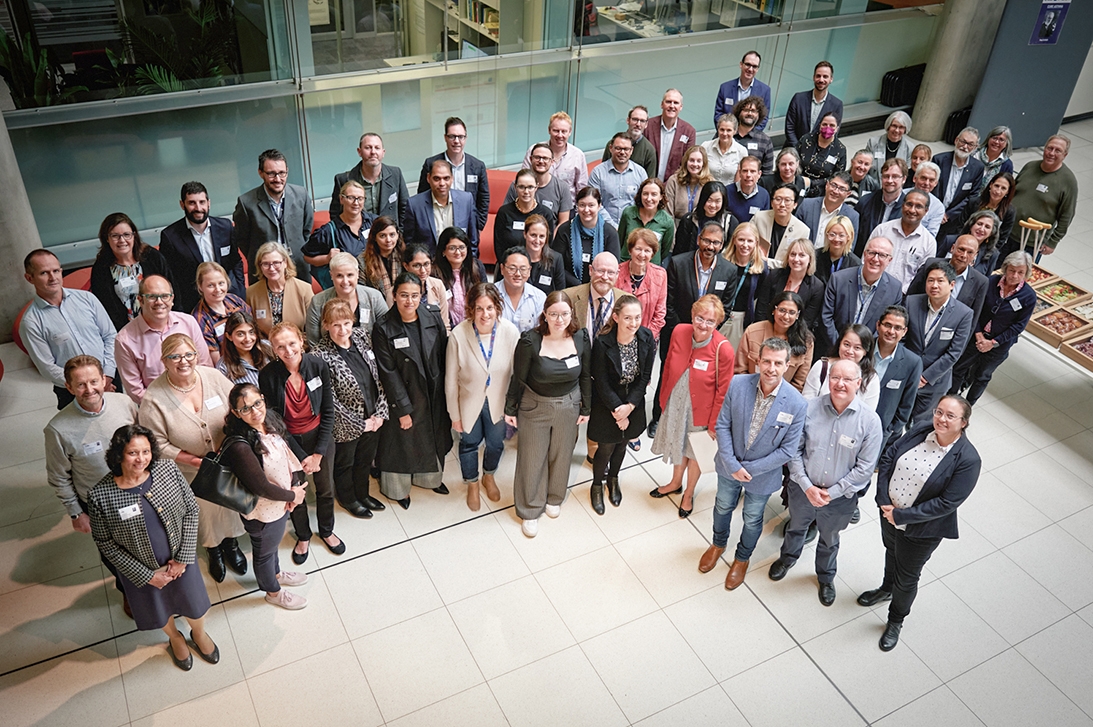
*CURE Asthma was established in close consultation with people with asthma and their carers, and with key organisations and groups involved in asthma research or improving the lives of people with asthma, including Indigenous knowledge holders. About half the CURE delegates were early and mid‐career researchers who worked with representatives of people with asthma and their carers and senior researchers to develop the roadmap. The organisations who developed the CURE Asthma initiative included Asthma Australia, major universities (Melbourne, Monash, Sydney, UNSW, Macquarie, Newcastle, Western Australia, Curtin), institutions and foundations (Bio21, Peter Doherty, Walter and Eliza Hall Institute of Medical Research, Murdoch Children’s Research Foundation, Hunter Medical Research Institute, the George Institute, the Woolcock Institute of Medical Research, the Snow Foundation, the Telethon Kids Institute), and hospitals (Royal Melbourne, Monash Health, Newcastle and Hunter Community Health, Monash Health, Sir Charles Gairdner), as well as representatives from the Thoracic Society of Australia and New Zealand, TSANZ), the Lung Foundation of Australia, and the Medical Research Futures Fund (MRFF), experts from the biopharmaceutical industry, and representatives from the federal Health and Medical Research Office (HMRO). The full list of participants is included in the Supporting Information.
Box 2 – Overview of the CURE Asthma initiative research strategy: the four major workstreams (WS)*
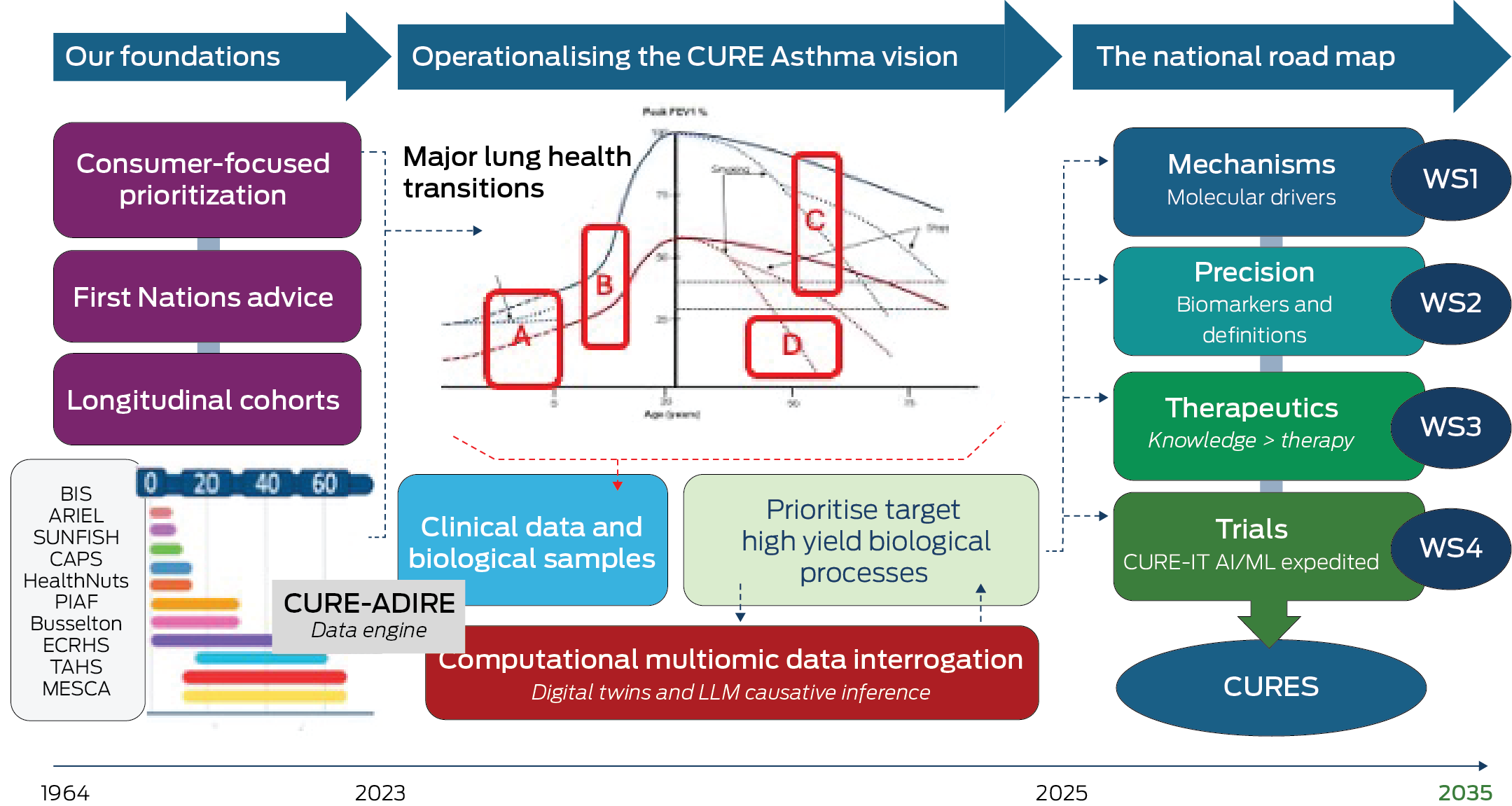
*The four major workstreams probe the nature of disease trajectories and transitions in longitudinal studies and insults that drive incident disease and progression (Mechanisms), provide clinical and molecular endotype definitions derived from analytical and predictive technologies (Precision), leading to new therapies (Therapeutics) and clinical trials of potentially transformative medicines by the CURE‐IT trials network (Trials). The strategy is built on the foundations provided by the National Asthma Research Agenda, the Centre of Research Excellence: Treatable Traits research prioritisation consultations, First Nations cultural advice, and research findings for several cohort studies and legacy biological samples analysed using machine learning and AI‐assisted interrogation (CURE‐ADIRE) and validation against the findings of partner international cohort studies. The data for these cohorts span the entire life course; one includes information from pre‐conception, three include at least two generations, and one has continued for 60 years. A full list of the cohort studies is provided in Box 3. The collected information for the Australian cohort studies includes comprehensive data on risk, environments, and clinical phenotyping, as well as genomic DNA, biological samples, and multi‐omic datasets that can be further studied in collaboration with overseas cohort studies to increase statistical power and for validation. The CURE vision was developed from its inception in partnership with people with asthma and their carers, and with the cultural advice of First Nations people.
Box 3 – Australian and international asthma cohort studies relevant to the CURE Asthma initiative
|
|
|||||||||||||||
|
Australian studies |
|||||||||||||||
|
AERIAL |
Airway Epithelium Respiratory Illnesses and Allergy |
||||||||||||||
|
BIS |
Barwon Infant Study |
||||||||||||||
|
Busselton |
Busselton healthy aging study |
||||||||||||||
|
CAPS |
Childhood Asthma Prevention Study |
||||||||||||||
|
ECRHS/RHINESSA |
Australian arm of the European Community Respiratory Health Survey and Respiratory Health in Northern Europe, Spain and Australia) studies |
||||||||||||||
|
HealthNuts |
Childhood allergy study |
||||||||||||||
|
MACS |
Melbourne Atopy Cohort study |
||||||||||||||
|
MESCA |
Melbourne Study of Childhood Asthma https://researchdata.edu.au/outcome‐childhood‐asthma‐interaction‐copd/78454 |
||||||||||||||
|
PIAF |
Perth Infant Asthma Follow‐up |
||||||||||||||
|
SUNFISH |
Strong lUNg health for First Nations Infants and cHildren: early life factors that affect lung health outcomes in a population‐based First Nations birth cohort |
||||||||||||||
|
TAHS |
Tasmanian Longitudinal Health Study, previously known as the Tasmanian Asthma Study |
||||||||||||||
|
Overseas studies |
|
||||||||||||||
|
COPDGene |
Genetic Epidemiology of COPD |
||||||||||||||
|
NOVELTY |
NOVEL Observational longiTudinal study: observational study for phenotyping and endotyping chronic obstructive airway diseases in clinical practice |
||||||||||||||
|
SARP |
Severe Asthma Research Program |
||||||||||||||
|
SHARP |
Severe Heterogeneous Asthma Research collaboration, patient‐centred |
||||||||||||||
|
SPIROMICS |
SubPopulations and InteRmediate Outcome Measures in COPD Study |
||||||||||||||
|
U‐BIOPRED* |
Unbiased Biomarkers for the Prediction of Respiratory Disease Outcomes |
||||||||||||||
|
|
|||||||||||||||
|
COPD = chronic obstructive pulmonary disease. *This study has been discontinued; its legacy is continued in SHARP. |
|||||||||||||||
Competing interests
Gary P Anderson has received personal fees from AstraZeneca, GSK, ENA Respiratory, RAGE Biotech, DevPro, and Pieris Pharmaceuticals, and research grants for RAGE Biotech, unrelated to this article. Gary P Anderson is a co‐founder of ARI‐Tx, which is developing an inhaled protein therapy that targets JAG‐1 in muco‐obstructive lung diseases, including asthma; he has received a National Health and Medical Research Council (NHMRC) Development grant for investigating JAG‐1 antagonists, within the scope of this article. Philip Bardin has received consulting fees from AstraZeneca, GSK, Sanofi, and GSK, grants from the Medical Research Future Fund (MRFF) and the NHMRC, unrelated to this article. John Blakey has received personal fees and payments to his institution from Astra Zeneca, Chiesi, GSK, and Sanofi, unrelated to this article, and research support from Avant, Charlies Foundation, the Fiona Stanley Hospital Future Health Research and Innovation Fund, GSK, the International Primary Care Respiratory Group (IPCRG), the MRFF, and Telethon, unrelated to this article. Shyamali Dharmage has received investigator‐initiated grants from Sanofi, Astra Zeneca, and GSK, unrelated to this article. Peter Gibson has received personal fees from AstraZeneca, GSK, and Sanofi, and research grants from GSK, the MRFF, and the NHMRC, unrelated to this article. Adam Jaffe is a member of the Asthma Australia research advisory committee and the NHMRC clinical trials and cohort studies advisory committee; he has received grants from NHMRC and MRFF, unrelated to this article, from the New South Wales NSW Health translational research grant scheme, and Asthma Australia. Alan James has received grants from the NHMRC and the National Institutes of Health, unrelated to this article. Christine Jenkins has received personal fees for speaking, educational content, and advisory boards from AstraZeneca, Chiesi, GlaxoSmithKline, and Sanofi, for advocacy support from AstraZeneca, Chiesi, GlaxoSmithKline, and Sanofi, and research support from GlaxoSmithKline, the MRFF, and the NHMRC, unrelated to this article. Peter Sly has received research grants from the MRFF, the NHMRC, and the United States National Institute of Environmental Health Sciences (NIEHS), unrelated to this article. Guy Marks has received research grants from the NHMRC, and serves on the boards (as president) of the International Union Against Tuberculosis and Lung Disease and the Federation of International Respiratory Societies. Vanessa McDonald has received speaker and advisory board fees from AstraZeneca, GSK, and Boehringer Ingelheim, and research grants from GSK, the MRFF, and the NHMRC, unrelated to this article.
Author contributions:
Gary P Anderson, and Anthony Flynn: funding acquisition, project administration, resources, supervision, visualisation, writing (original draft). All authors: conceptualisation, methodology, writing (review and editing).
Acknowledgements
We gratefully acknowledge the support of the following colleagues in advancing the CURE Asthma initiative (alphabetically): Kiarra Bechta‐Metti, Peter Farlie, Jon Gooi, Stuart Mazzone, Michael Parker, Stuart Ralph, Bruce Thompson, Jennifer Wilkinson‐Berka (all University of Melbourne) and Sarath Raganathan (University of Melbourne and Royal Children’s Hospital Melbourne).
THE CURE Asthma RoadMap was developed independently of industry. We are grateful to AstraZeneca (Australia), GSK (Australia), and Chiesi (Australia) who provided unrestricted educational grants, enabling many interstate delegates to participate in the Inaugural CURE Asthma Symposium. These funding bodies had no roles of any type in the writing of this article, specifically planning, writing or publication of the work, study design, data collection, analysis or interpretation, reporting or publication.
References
- Majellano EC, Bell RL, Flynn AW, et al. Identifying the asthma research priorities of people with asthma, their carers and other stakeholders. Respirology 2023; 28: 636‐648.
- Clark VL, Gibson PG, McDonald VM. The patients’ experience of severe asthma add‐on pharmacotherapies: a qualitative descriptive study. J Asthma Allergy 2021: 245‐258.
- Menzies‐Gow A, Bafadhel M, Busse WW, et al. An expert consensus framework for asthma remission as a treatment goal. J Allergy Clin Immunol 2020; 145: 757‐765.
- Thomas D, McDonald VM, Pavord ID, Gibson PG. Asthma remission: what is it and how can it be achieved? Eur Respir J 2022; 60: 2102583.
- Thomas D, McDonald VM, Gibson PG, Kim RY. Defining “cure” for the asthmas. Med J Aust 2025; 223 (10 Suppl): 16‐18.
- Anderson GP. Endotyping asthma: new insights into key pathogenic mechanisms in a complex, heterogeneous disease. Lancet 2008; 372: 1107‐1119.
- Stein MM, Hrusch CL, Gozdz J, et al. Innate immunity and asthma risk in Amish and Hutterite farm children. N Engl J Med 2016; 375: 411‐421.
- Toelle BG, Garden FL, Ng KKW, et al; Childhood Asthma Prevention Study Team. Outcomes of the childhood asthma prevention study at 11.5 years. J Allergy Clin Immunol 2013; 132: 1220‐1222.
- Bärebring L, Nwaru BI, Lamberg‐Allardt C, et al. Supplementation with long chain n‐3 fatty acids during pregnancy, lactation, or infancy in relation to risk of asthma and atopic disease during childhood: a systematic review and meta‐analysis of randomized controlled clinical trials. Food Nutr Res 2022; 66: 8842.
- Murray CS, Woodcock A, Langley SJ, et al; IFWIN study team. Secondary prevention of asthma by the use of Inhaled Fluticasone propionate in Wheezy INfants (IFWIN): double‐blind, randomised, controlled study. Lancet 2006; 368: 754‐762.
- Bisgaard H, Hermansen MN, Loland L, et al. Intermittent inhaled corticosteroids in infants with episodic wheezing. N Engl J Med 2006; 354: 1998‐2005.
- Evans DJ, Sly PD, Foster P, Donovan C. Who gets asthma and why? Med J Aust 2025; 223 (10 Suppl): 19‐23.
- Lodge C, Dai X, Laing IA, et al. Evidence from Australian cohort studies about asthma trajectories and transitions across the life course: a narrative review. Med J Aust 2025; 223 (10 Suppl): 24‐31.
- Zhuang A, Thomas D, Lodge C, et al. Finding cures for asthma: new paradigms for drug discovery and therapy. Med J Aust 2025; 223 (10 Suppl): 32‐35.
- Quon S, Johanson TM, Wadhwa R, et al. Technological advances in the search for a CURE for asthma. Med J Aust 2025; 223 (10 Suppl): 36‐41.
- Makarov N, Bordukova M, Quengdaeng P, et al. Large language models forecast patient health trajectories enabling digital twins. NPJ Digit Med 2025; 8: 588.
- Bourduka M, Arneth AJ, Marakov N, et al. Generative AI and digital twins: shaping a paradigm shift from precision to truly personalized medicine. Expert Opin Drug Discov 2025; 20: 821‐826.
- Porsbjerg C, Rupani H, Brannan JD, et al. Reframing remission in severe asthma: a conceptual framework for distinguishing disease activity versus damage. Lancet Respir Med 2025; 13: 1026‐1040.
- Shaver JR, O’Connor JJ, Pollice M, et al. Pulmonary inflammation after segmental ragweed challenge in allergic asthmatic and nonasthmatic subjects. Am J Respir Crit Care Med 1995; 152: 1189‐1197.
- Heinzelmann K, Fysikopoulos A, Jaquin TJ, et al. Pulmonary‐delivered Anticalin Jagged‐1 antagonists reduce experimental airway mucus hyperproduction and obstruction. Am J Physiol Lung Cell Mol Physiol 2025; 328: L75‐L92.
- Keenan CR, Iannarella N, Garnham AL, et al. Polycomb repressive complex 2 is a critical mediator of allergic inflammation. JCI Insight 2019; 4: e127745.
- Tambuyzer E. Rare diseases, orphan drugs and their regulation: questions and misconceptions. Nat Rev Drug Discov 2010; 9: 921‐929.
- Thomas D, Lewthwaite H, Gibson PG, et al. Unlocking asthma remission: key insights from an expert roundtable discussion. Respirology 2025; 30: 466‐479.
- Yue M, Gaietto K, Han YY, et al. Transcriptomic profiles in nasal epithelium and asthma endotypes in youth. JAMA 2025; 333: 307‐318.
- Vidovszky AA, Fisher CK, Loukianov AD, et al. Increasing acceptance of AI‐generated digital twins through clinical trial applications. Clin Transl Sci 2024; 17: e13897.
- Bordukova M, Makarov N, Rodriguez‐Esteban R, et al. Generative artificial intelligence empowers digital twins in drug discovery and clinical trials. Expert Opin Drug Discov 2024; 19: 33‐42.
- Grand View Research. Asthma therapeutics market to reach $37.91 billion by 2030. Jan 2024. https://www.grandviewresearch.com/press‐release/global‐asthma‐therapeutics‐market (viewed Oct 2025).
- Barnes PJ, Anderson GP, Fagerås M, Belvisi MG. Chronic lung diseases: prospects for regeneration and repair. Eur Respir Rev 2021; 30: 200213.
- Kersten ETG, Pett JP, Malmström K, et al. Childhood‐onset asthma is characterized by airway epithelial hillock‐to‐squamous differentiation in early life [preprint]; version 2. bioRxiv 2023.07.31.549680; 19 Sept 2023. https://doi.org/10.1101/2023.07.31.549680.
- Jakwerth CA, Weckmann M, Illi S, et al; ALLIANCE Study Group as part of the German Center for Lung Research. 17q21 variants disturb mucosal host defense in childhood asthma. Am J Respir Crit Care Med 2024; 209: 947‐959.
- Wang L, Netto KG, Zhou L, et al. Single‐cell transcriptomic analysis reveals the immune landscape of lung in steroid‐resistant asthma exacerbation. Proc Natl Acad Sci U S A 2021; 118: e2005590118.
- Allan RS, Zueva E, Cammas F, et al. An epigenetic silencing pathway controlling T helper 2 cell lineage commitment. Nature 2012; 487: 249‐253.
- Jackson DJ, Bacharier LB, Gergen PJ, et al; US National Institute of Allergy and Infectious Disease’s Inner City Asthma Consortium. Mepolizumab for urban children with exacerbation‐prone eosinophilic asthma in the USA (MUPPITS‐2): a randomised, double‐blind, placebo‐controlled, parallel‐group trial. Lancet 2022; 400: 502‐511.
- Risha MA, Reddy KD, Nemani SSP, et al; ALLIANCE Study Group as part of the German Centre for Lung Research. Epigenetic training of human bronchial epithelium cells by repeated rhinovirus infections. Allergy 2024; 79: 3385‐3400.
- Melén E, Zar HJ, Siroux V, et al. Asthma inception: epidemiologic risk factors and natural history across the life course. Am J Respir Crit Care Med 2024; 210: 737‐754.
- Rankin DA, Spieker AJ, Perez A, et al; NVSN Network Investigators. Circulation of rhinoviruses and/or enteroviruses in pediatric patients with acute respiratory illness before and during the COVID‐19 pandemic in the US. JAMA Netw Open 2023; 6: e2254909.
- McGinn EA, Mandell EW, Smith BJ, et al. Dysanapsis as a determinant of lung function in development and disease. Am J Respir Crit Care Med 2023; 208: 956‐963.
Provenance: Not commissioned; externally peer reviewed.
Barriers and Facilitators to Timely Detection and Optimal Management of Chronic Wet Cough in Aboriginal Children Across Australia From the Perspectives of Carers of Aboriginal Children: A Qualitative Study
Gloria T. Y. Lau, Pam Laird, Robyn Aitken, Melanie Barwick, Liam Bedford, Emily R. Bowden, Jamie Everingham, Angela Fuery, Reece Griffin, Neha Jain, Mina Kinghorn, Renae Knapp, Gabrielle B. McCallum, Peter Morris, Richard Norman, Peter C. Richmond, Aarti Saiganesh, Slade Sibosado, Cameron Taylor, Maree Toombs, Roz Walker, Joan Wilson, Anne B. Chang, André Schultz
Barriers and Facilitators to Timely Detection and Optimal Management of Chronic Wet Cough in Aboriginal Children Across Australia From the Perspective of Health Care Providers: A Qualitative Study
Gloria T. Y. Lau, Pamela Laird, Robyn Aitken, Melanie Barwick, Liam Bedford, Emily R. Bowden, Corey Dalton, Jamie Everingham, Angela Fuery, Reece Griffin, Neha Jain, Mina Kinghorn, Renae Knapp, Gabrielle B. McCallum, Peter Morris, Richard Norman, Peter C. Richmond, Aarti Saiganesh, Slade Sibosado, Maree Toombs, Roz Walker, Joan Wilson, Anne B. Chang, André Schultz
Respiratory Syncytial Virus Disease Burden and Evidence Gaps in Australia Before Immunisation Introduction: A Retrospective Population-Based Study Using 2016–2019 Hospitalisation and 2023 Laboratory Surveillance Data
Chisato Imai-Boulter, Jean Li-Kim-Moy, Clayton Chiu, Sanjay Jayasinghe, Kristine Macartney
Not Gone but Often Forgotten: Action Needed to Address Tuberculosis in Aboriginal and Torres Strait Islander Communities
Nikkita Joshua, Emma L. Smith, Eunice (Cheeky) Love, Christopher P. Lowbridge, Nicole Tukana, Amy Bowden, Megan A. Campbell, Dawn Casey, James Ward
Uneven Ground: Survival Differences Among Victorian Lung Cancer Patients by Location of Residence (2011–2023): A Retrospective Cohort Study
Evangeline Samuel, Eldho Paul, Mike Lloyd, Sanuki Tissera, Craig Underhill, Sagun Parakh, Phillip Parente, Inger Olesen, Javier Torres, Katharine See, Gavin M. Wright, David Langton, Thomas John, Matthew Conron, James Bartlett, Nicola Atkin, Nikolajs Zeps, Susan V. Harden, Wasek Faisal, John R. Zalcberg, Rob G. Stirling
Treatment and Survival Outcomes for Indigenous and Non-Indigenous Australians Within the Victorian Lung Cancer Registry: A Retrospective Cross-Sectional Cohort Study
Melanie Wong, Mike Lloyd, Jessie Zeng, Sanuki Tissera, Kalinda E. Griffiths, Justine Clark, Jonathan Gillies, Lisa Briggs, Jacqueline Lesage, Tom Wood, Craig Underhill, Sagun Parakh, Louis B. Irving, Wasek Faisal, Rob Blum, Gary E. Richardson, Phillip Parente, Michelle Caldecott, Inger Olesen, Javier Torres, Evangeline Samuel, Christopher Lyne, Katharine See, David Langton, Thomas John, Gavin Wright, Matthew Conron, James Bartlett, Golsa Adabi, Maggie Moore, Susan Harden, Zoe K. McQuilten, John R. Zalcberg, Rob Stirling