




Volume 191 - Issue 11
A lifetime pursuit of diabetes through chance
Author: Paul Z Zimmet
Med J Aust 2009; 191 (11): 632-636. || doi: 10.5694/j.1326-5377.2009.tb03359.x
Published online: 7 December 2009
Published online: 7 December 2009
When I took a call from MJA Editor Martin Van Der Weyden asking me to write a “Power of One” article for the Christmas issue of the Journal, I was excited and honoured. Here was an opportunity to reflect on the drivers and influences that led me first into medicine, then diabetes and public health advocacy.
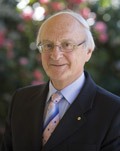
Baker IDI Heart and Diabetes Institute, Melbourne, VIC. Paul Z Zimmet AO, MD, PhD, FRACP, FRCP, FAFPHM, FTSE, Director Emeritus and Director of International Research
In the beginning
The story starts in the small town of Tarnopol in Poland. My father, Jacob Zimmet, studied medicine in Vienna and graduated in 1935. He returned to an unpaid position in the Tarnopol Hospital — unpaid because Jewish doctors could not be “officially” employed in Poland. Realising there was no future for him there, and having experienced the mounting threat of Nazism in Austria, he applied for visas to Australia and the United States in 1937. The Australian visas arrived first, but my mother, Anna, wanted to burn them. She dreaded leaving their families; but my father was certain war was imminent. So, in December 1938, my parents and Rena, their first child, left for Sydney, arriving in January 1939. World War II broke out in September. The remaining family were taken to concentration camps; there were no survivors except my mother’s younger brother.1
My father found that his medical degree from Vienna, one of the world’s finest universities, was not recognised in Australia because Austria was under German occupation. So, after living virtually penniless in Sydney for 6 months, he moved the family to Adelaide where it would take him only 3 years to requalify, rather than 5 years in Sydney. My parents had to find supporting income and, as my mother had brought a treadle sewing machine from Poland, they established a leather business. Mother sewed, and father skipped lectures at the medical school and bicycled around Adelaide to obtain orders.
Arriving on the scene — my start in life
I was born in 1941, and my father graduated from the University of Adelaide in 1942. He obtained a position as a doctor with BHP, and we moved to Whyalla. It was here that the seeds of my future medical career were planted. My father had a wonderful bedside manner and was adored by his patients. I would accompany him on his rounds in Whyalla and to outlying cattle stations and mining communities like Iron Knob, sitting in the back seat of our old Chevrolet. This was my first taste of medicine.
In 1950, we moved back to Adelaide. My father commenced general practice, working from our home so we always had patients around us. It was clearly a powerful influence. In later years, he was very proud that three of his children, Rena, Leon and myself, studied medicine and became Fellows of the Royal Australasian College of Physicians because, with the war interrupting his studies and changes in specialist recognition in Australia, he had been unable to practise as a consultant physician. My youngest sister, Miriam, was smarter and elected instead to join the teaching profession, and she has made a significant contribution to community activities. Today, my father would have been even prouder of my sons, Hendrik (cardiology) and Marcel (paediatrics), who have followed the same path, and another grandson, Adam Zimmet, a cardiac surgeon.
Although I always wanted to study medicine, I had a less than impressive school record. Only when I reached the University of Adelaide did I come into my own, obtaining a Commonwealth Scholarship based on my first-year results. However, it was then that my medical career nearly ended. On the first day of second-year medicine, we were introduced to the anatomy dissection room. I lasted for 15 minutes before heading up North Terrace to my father’s consulting rooms to tell him I was ditching medicine! I was marched back to the medical school, and that was that.
A fond memory of my student days was the clinic dinner at the end of each rotation when we wined and dined our consultants, but this was not for one of them, Basil Hetzel, who had a remarkable career in medicine.2 For Basil, it was a cup of tea and a sandwich in the ward clinic room!
At this stage, I had no career aspirations apart from joining my father’s practice. However, because of the small Jewish community in the area, I moved to Melbourne in 1966 in the hope of finding a wife to bring back to Adelaide. I was offered a second-year residency at the Alfred Hospital but, as I had not consolidated my relationship with my wife-to-be, Vivien, by the end of that year, I needed to stay another year in Melbourne. Luck was on my side, as Don Cameron, who was Registrar of the Diabetes and Metabolic Unit at the time, told me that his boss, Pincus Taft, wanted to know if I was interested in the diabetes job. Thus, serendipity stepped in as a partner to Cupid — it seemed a good opportunity and gave me another year to court my future bride. So began a career in diabetes.
The first taste of research
During that year (1967), I had my first real taste of the excitement of research. We had a case of intestinal lymphangiectasia with marked hypocalcaemia and tetany that was unresponsive to calcium replacement.3 Hal Breidahl, my consultant, and I were puzzled by this. While on a skiing holiday at Falls Creek, I was listening to the “Farmers Hour” on radio, and the penny dropped! They were discussing how magnesium relieved grass tetany in the local cows. Racing back to Melbourne, I arranged a test of the serum magnesium level, which demonstrated hypomagnesaemia. Following magnesium replacement, the tetany ceased and the serum calcium level rose. Thus arose my first publication, in the British Medical Journal.4 I carried the acceptance letter around in my pocket for months.
Fortune smiled on me again and, as luck would have it, my next step profoundly influenced my career direction. Monash University was opening a Department of Medicine at the Alfred — I was determined to be their first registrar, and was subsequently appointed. Even though applications for all the other hospital jobs had closed by this time, Pincus Taft called me to say that Bryan Hudson, Head of the Monash Department of Medicine at Prince Henry’s Hospital, had called to ask why Zimmet had not applied to be his registrar. Pincus ordered me to see the charismatic Bryan immediately, and he told me I was to work for him! Hudson’s department had a powerful team including Henry Burger, Kevin Catt, Ken McLean, and Jack Hansky; Mel Korman was the other registrar. It was a wonderful training experience, not only in endocrinology but across internal medicine.
Bryan was a fabulous and caring mentor, but a research career was still far from my mind. However, Bryan insisted that I must do a PhD and dispatched me off to the Monash Department of Biochemistry under the legendary Joe “Ginger” Bornstein (Box 1). My PhD was based around Bornstein’s belief that growth hormone fragments were involved in the regulation of glucose metabolism and insulin sensitivity. I slaved at the bench for 2 years, processing hundreds of litres of urine, and isolated a peptide with hypoglycaemic action5 which, some 35 years later, has commenced clinical trials as a drug for type 2 diabetes.6 Joe was convinced that my research was “cutting edge” and that his hypothesis needed better recognition, so he sent my thesis off to be examined by Professor Rolf Luft, the chairman of the Nobel Committee!
My introduction to epidemiology
The time had come for an “overseas” stint. I chose to work with Harry Keen at Guy’s Hospital in London, as I perceived he was a rising star in the field of diabetes and already a leader in diabetes epidemiology. Intuitively, I believed my PhD work needed a population perspective and that the only way to show its real significance in human diabetes would be to test it in an epidemiological framework. Harry stood out as the person to work with, so, with a Royal Australasian College of Physicians Travelling Scholarship, I headed off to spend a year and a half with him and John Jarrett, another outstanding figure in diabetes epidemiology. That well known pub the Bunch of Grapes was adjacent to the grounds of Guy’s and, between their office, the pub and the laboratory, we threw around many ideas. It was an intensely stimulating environment.
Then came my next break, and again chance came into play. It was Christmas 1973 in London, and I was flipping through a pile of old Lancet issues when I came across a 1966 article by the famous New Zealand epidemiologist Ian Prior and his colleagues. They had reported a high prevalence of diabetes in Pacific islanders.7 Pincus Taft had a private practice that included the President of the Pacific island of Nauru, Hammer DeRoburt, and, struck by Prior’s findings, I convinced Pincus that we should undertake a diabetes survey in the Micronesian community of Nauru.
This plan became the focus of my attention when I returned to Melbourne. By 1975, we were all set to go. I now had my first experience of the difficulties and logistics of undertaking a survey thousands of miles from home on a remote Pacific island. Nauru was a 7-hour flight from Melbourne and there was only one Air Nauru flight a week (but at least they served Château Mouton Rothschild with the meals!). Imagine our dismay on arriving to find that Air Nauru had left most of our equipment, including the oral glucose loads, at Melbourne Airport! Well, we had to thank the British, as a search through old stocks in the pharmacy left over from the colonial days revealed hundreds of bottles of British Pharmacopoeia 50% glucose, which we diluted and made palatable for the oral glucose loads.
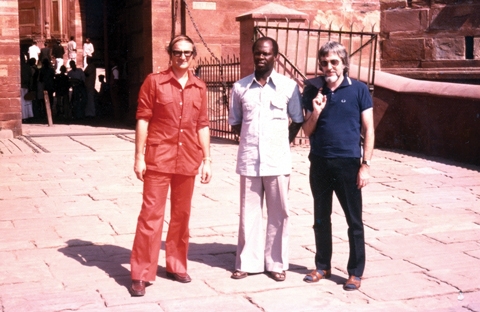
We tested 100 people on the first day, and I was stunned by the results — 33% of them had diabetes. Pincus, who I had convinced to join me, was certain it was something to do with incorrect dilution of the glucose, or that the blood glucose methodology was flawed. So sure of this was he that he decided to return to Melbourne, leaving me on Nauru. On the second day, another 33% had diabetes; and so on it went. We finished the survey with a prevalence of over 30%, the highest national figure ever reported anywhere in the world.8 The time was ripe to start warning the world about the potential epidemic of diabetes, a disease that still had “Cinderella” status. In 1976, I presented the Nauru results, reporting the highest diabetes prevalence ever recorded for the first time internationally, at the European Association for the Study of Diabetes (EASD) meeting in Helsinki. I spoke at the opening plenary session to a packed hall, wearing a bright red safari suit (Box 2) that made quite an impression on the audience. Its use was intentional, as I wanted my message to be remembered. I had seen the suit in Aquascutum’s window when I passed through London on my way to Helsinki. I thought that even if the participants forgot my message, they might at least remember the suit!
Due to a chance meeting, Nauru provided me with further opportunities in epidemiology. In 1976, the Nauru Government asked me to act as physician to the heads of state attending the South Pacific Forum. While relaxing with my family on the beach at Anibare Bay, I started up a conversation with the only other person there. It was John Hirshman, the World Health Organization Representative for the South Pacific. Incredibly, it emerged that he had been a school classmate of my mother-in-law in pre-war Vienna! John was amazed by my Nauru findings and asked me to become a consultant to the WHO. As a result, I was then asked to undertake surveys in other Pacific Islands over the next few years, including Western Samoa, Fiji, Tuvalu, Kiribati, New Caledonia, Wallis and Futuna, the Cook Islands and Papua New Guinea.
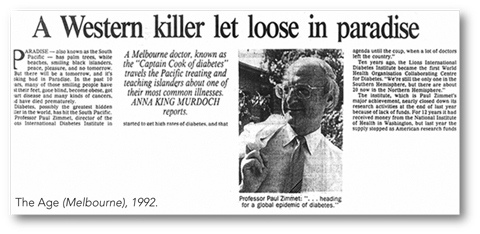
In each case, the same pattern emerged of high diabetes rates with modernisation of the islanders’ way of life. I “borrowed” the term “coca-colonisation” from Arthur Koestler9 to explain the impact of Westernisation in causing the high prevalence of diabetes in these Pacific communities. Even so, my predictions of an impending global diabetes epidemic and the potential time bomb in terms of morbidity and mortality were not taken seriously. Of course, sometimes my passionate message was misconstrued, as happened with a leading article in Melbourne’s The Age in 1992, titled “A Western killer let loose in paradise” (Box 3). Unfortunately, the message of the article was largely missed, as a photo of me was printed directly under the headline! But at least I now knew where my career was taking me — headlong into diabetes epidemiology and public health.
Uncle Sam and the NIH to the rescue
In 1978, I applied to the National Health and Medical Research Council (NHMRC) to pursue the Nauru studies in greater detail, as it promised to be a goldmine of epidemiology. Requesting a modest $25 000 grant, I was rejected because they were not funding projects offshore. Around that time, the US National Institutes of Health (NIH) became a very strong supporter of diabetes epidemiology. This thrust was led by the enthusiasm and vision of Maureen Harris, from the NIH’s diabetes section, and Peter Bennett, internationally renowned for his research into diabetes in the US Pima Indian population. They suggested I apply to the NIH, as the agency was prepared to support overseas groups if they were undertaking work that would benefit the US. I added an extra zero to my NHMRC application and, in 1979, was fortunate to receive NIH funding. The rest is history, and over the next 20 years I received grants totalling in excess of $10 million for epidemiological studies in Pacific and Indian Ocean nations.
From 1979 to 2000, my research was continuously funded by the NIH. It focused on the role of genetic susceptibility, obesity, physical activity, nutrition and sociocultural change in the aetiology of type 2 diabetes. My group also made contributions in the area of type 1 diabetes causation and detection with studies on glutamic acid decarboxylase (GAD), and we developed the first anti-GAD immunoassay for predicting type 1 diabetes.10 With Ian Mackay, and Leif Groop and Tiina Tuomi from Finland, we defined the condition of latent autoimmune diabetes in adults (LADA).10 With Mark Myers and Kalindi Hettiarachchi, I reported that bafilomycin, a food toxin produced in potatoes infected by potato scab, might cause β cell damage11 and type 1 diabetes.
The founding of Australia’s first diabetes institute
My clinical and other research strands came together in 1985 when I founded the International Diabetes Institute (IDI). On the way back to Australia from my stint in the United Kingdom, I had spent time in Denmark with Jørn Nerup at the Steno Memorial Hospital in Copenhagen. I was inspired by this unique facility, which brought together all aspects of diabetes research and care. I came home determined to try to replicate it.
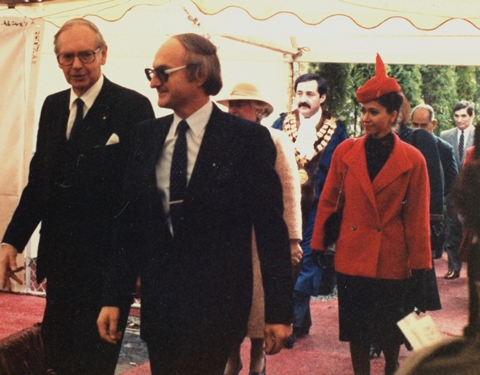
From a small base at the Royal Southern Memorial Hospital in Caulfield, my associate physician Matthew Cohen and I gradually built up a team covering diabetes education, care and epidemiology research. The IDI was the result, and it was officially opened by the Governor-General, Sir Ninian Stephen, in 1985 (Box 4). Over the next two decades, the IDI became a major force in diabetes both nationally and internationally and was designated as the first WHO Collaborating Centre for Diabetes.My epidemiology interests next took me to Mauritius in the Indian Ocean. Again we found a very high prevalence of diabetes.12 As the population of Mauritius is tri-ethnic — Asian Indian, Chinese and Creole — it represents almost 70% of the global population, making findings there of global relevance in predicting the chronic disease epidemic.13
A very exciting collaboration with Greg Collier at Deakin University commenced in the mid 1990s. I became aware of Psammomys obesus, a unique animal model of obesity and type 2 diabetes, and imported breeding pairs from Israel. Although better known as the Israeli sand rat, it’s actually a gerbil, having 85%–90% homology with the human genome. In its natural desert habitat, P. obesus remains lean and healthy on a low-energy diet of saltbush.14 However, when given access to standard laboratory chow, the animals develop insulin resistance, obesity, type 2 diabetes and the metabolic syndrome. Greg and I established a wonderful and productive collaboration to explore the genetic aspects of “diabesity”, resulting in numerous publications, patents and an exciting decade of research.
Calling the diabetes epidemic
By the mid 1990s, it was even clearer to me that obesity and diabetes were destined to be the most important public health challenges of the 21st century, and that the combined diabesity pandemic was now set to affect most nations. Yet, I was very frustrated and saddened that I still could not get diabetes on the international agenda as a major public health issue.
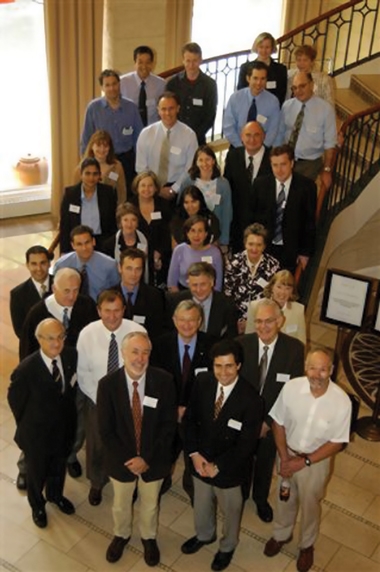
Fortunately, the message hit home in Australia in 1996 with the appointment of a new federal Health Minister. As Shadow Health Minister, Michael Wooldridge had seen a publication, The rise and rise of diabetes in Australia,15 that my Institute had prepared for Diabetes Australia. Struck by this, and after lobbying led by John Carter, a leading Sydney diabetologist, Michael committed the Liberal Party to a pre-election promise of $8 million for tackling diabetes. With the election won, he committed himself to projects that got the ball rolling, including a National Diabetes Strategy and eventually AusDiab, the first ever national diabetes and obesity study in Australia. I was fortunate to serve on a small ministerial advisory committee with John Carter and Stephen Colagiuri.Tim Welborn and I had long been advocates for AusDiab. We put together a national consortium and, with government funding facilitated by Michael, and support from the states, the pharmaceutical industry and some trusts, we were off and running in 2000 (Box 5). AusDiab became the largest national diabetes study in the world. We found that 1 million Australian adults had diabetes, another 2 million had prediabetes, and 60% were overweight or obese.16 The study, and its 5-year follow-up, have produced more than 80 peer-reviewed publications, and the data have been used extensively for health care planning both in Australia and internationally.17
National and international recognition
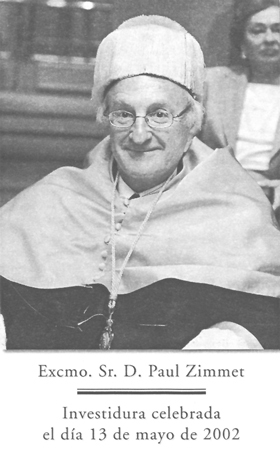
Our research has received global recognition and I have been fortunate to receive numerous national and international awards, including those from the American Diabetes Association, the EASD, Diabetes UK, the Australian Diabetes Society and the Canadian Diabetes Association, and an Honoris Causa Doctoris from the Complutense University of Madrid in Spain (Box 6). In 2007, I received the global Novartis Award for longstanding contributions in the field of diabetes. In fact, the IDI pulled off a trifecta, as it was a great thrill to see Jonathan Shaw, my Deputy Director, and our collaborating ophthalmologist, Tien Wong, receive the two Novartis Awards for younger investigators the previous year.
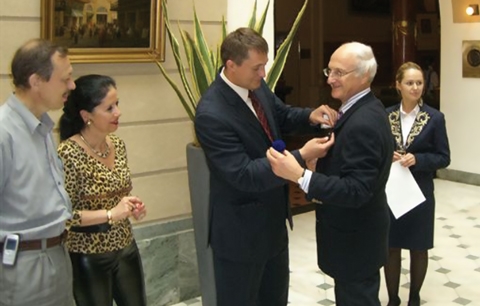
But one award beat them all. In 2007, I was advised that I was to receive the Honorary Silver Breastplate of the All-Russian Diabetes Association. Further enquiries on my part revealed that this was usually a posthumous award that had gone to distinguished researchers such as Aretaeus (147 bc), Paul Langerhans, Elliott Joslin, and Banting and Best. After I informed the Russians that I was still alive, the award was elevated to a Gold Breastplate. As I was to be in St Petersburg soon after, they dispatched an official delegation from Moscow to make the presentation (Box 7). Vivien and I were rather concerned about how we would ship a large and heavy gold breastplate out of Russia, but we need not have worried — it turned out to be a gold lapel pin!
The global epidemic and public health advocacy
The forthcoming and first ever national Health Risk Study proposed for 2010 has had its genesis in AusDiab and our advocacy. We can also take some credit for many of the new initiatives in diabetes, including those directed at preventing type 2 diabetes. The current scale of diabetes and obesity in Australia has serious ramifications. Through all of this diabetes “tsunami”, funding for health professionals to handle the epidemic has fallen very short. In parts of Australia, particularly in our Indigenous community, the prevalence of diabetes and its complications, especially renal failure and amputations, exceed those seen in developing nations and rate among the highest in the world. Prime Minister Rudd recognised this burden in an address to the Sydney Institute last year, stating that diabetes will be the number one disease in Australian men, and number two in women, by 2020.18
The studies in Nauru and Mauritius enabled me to confidently predict the diabetes epidemic that has now evolved,12 and we have estimated that the global number of people with diabetes will rise from 246 million in 2007 to 389 million by 2025.19 It was against this background that, in December 2006, the United Nations (UN) General Assembly unanimously passed Resolution 61/225 declaring diabetes an international public health issue — only the second disease after HIV/AIDS to attain that status. For the first time, governments have acknowledged that a non-infectious disease poses as serious a threat to world health as infectious diseases such as HIV/AIDS, tuberculosis and malaria. The UN resolution recognises that tackling diabetes is likely to be one of the most important challenges for the global public health community in the 21st century.Because of the close link between diabetes and heart disease, about 5 years ago I approached Garry Jennings, then Director of the Baker Heart Research Institute, with the idea of merging our two institutes. The marriage is now happily consummated. Together, as the Baker IDI Heart and Diabetes Institute, we have critical mass and will be a powerful force to face the mounting burden of diabetes and heart disease — two partners in crime.We will continue our strong public advocacy for fundamental alterations to how our lives are organised. Unless we learn the lessons from Nauru and Mauritius, and indeed our own Indigenous community, the epidemics of obesity, diabetes and heart disease will only worsen.
Conclusion
Key features of my career have been chance and the good fortune to have wonderful and inspirational mentors, a very supportive and loving wife, and two sons, Hendrik and Marcel, who continually challenge my social values and continue the family tradition in medicine, music and debate. I have had a great partnership with that towering figure in diabetes, Sir George Alberti, with whom I have chaired numerous WHO and International Diabetes Federation expert consultations on diabetes and the metabolic syndrome, and with whom I have collaborated, along with Jaakko Tuomilehto, in epidemiological studies. I have had other very supportive colleagues and a strong and dedicated team. In particular, Matthew Cohen and Jonathan Shaw have been devoted partners, as we built the IDI into an influential and innovative force on the world diabetes scene. The merged Baker IDI Heart and Diabetes Institute is now one of the largest forces in heart disease and diabetes research in the world.
It has been a long road to travel, assisted by many episodes of chance, to achieve my ambition to see diabetes recognised as a major and serious international health problem and to catalyse action for better treatment and prevention. It has been a particular privilege to be a member of the National Preventative Health Taskforce selected by Nicola Roxon, federal Minister for Health and Ageing. The National Preventative Health Strategy, released in September 2009, embraces much of my own philosophy on preventing the escalation of the obesity-driven diabetes and cardiovascular disease epidemic.20
1 The 50th Anniversary of the Discovery of Insulin Congress, Jerusalem, 1971
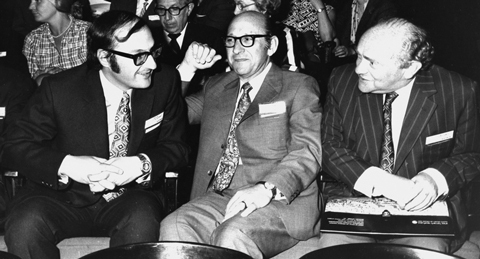 |

References
- Herzog P. In the shadow of the black eagle: memories of Tarnopol in 1939–1945. Tel Aviv: Yaron Golan, 1996. 0_i1091986
- Hetzel BS. The challenge of public health in Australia and the region. Med J Aust 2006; 185: 646-650. 0_i1091988
- Zimmet P, Breidahl HD. Intestinal lymphangiectasia with hypomagnesaemic tetany. Australas Ann Med 1968; 17: 265-269. 0_i1091990
- Zimmet P, Breidahl HD, Nayler WG. Plasma ionized calcium in hypomagnesaemia. Br Med J 1968; 1: 622-623. 0_i1091992
- Ng FM, Zimmet PZ, Seiler G, et al. Insulin potentiating action of a peptide fraction from human urine. Diabetes 1974; 23: 950-956. 0_i1091994
- Paule SG, Nikolovski B, Gray RE, et al. GHTD-amide: a naturally occurring beta cell-derived peptide with hypoglycemic activity. Peptides 2009; 30: 955-961. 0_i1091996
- Prior IA, Rose BS, Harvey HP, Davidson F. Hyperuricaemia, gout, and diabetic abnormality in Polynesian people. Lancet 1966; 1: 333-338. 0_i1091998
- Zimmet P, Taft P, Guinea A, et al. The high prevalence of diabetes mellitus on a Central Pacific island. Diabetologia 1977; 13: 111-115. 0_i1092000
- Koestler A. The call-girls. London: Pan Books, 1976. 0_i1092002
- Tuomi T, Groop LC, Zimmet PZ, et al. Antibodies to glutamic acid decarboxylase reveal latent autoimmune diabetes mellitus in adults with a non-insulin-dependent onset of disease. Diabetes 1993; 42: 359-362. 0_i1092004
- Hettiarachchi KD, Zimmet PZ, Myers MA. Transplacental exposure to bafilomycin disrupts pancreatic islet organogenesis and accelerates diabetes onset in NOD mice. J Autoimmun 2004; 22: 287-296. 0_i1092006
- Dowse GK, Gareeboo H, Zimmet PZ, et al. High prevalence of NIDDM and impaired glucose intolerance in Indian, Creole, and Chinese Mauritians. Diabetes 1990; 39: 390-396. 0_i1092008
- Zimmet P, Alberti KG, Shaw J. Global and societal implications of the diabetes epidemic. Nature 2001; 414: 782-787. 0_i1092010
- Barnett M, Collier GR, Collier FM, et al. A cross-sectional and short-term longitudinal characterisation of NIDDM in Psammomys obesus. Diabetologia 1994; 37: 671-676. 0_i1092012
- McCarty DJ, Zimmet P, Dalton A, et al. The rise and rise of diabetes in Australia, 1996: a review of statistics, trends and costs. Canberra: International Diabetes Institute and Diabetes Australia, 1996. 0_i1092014
- Dunstan DW, Zimmet PZ, Welborn TA, et al. The rising prevalence of diabetes and impaired glucose tolerance: the Australian Diabetes, Obesity and Lifestyle Study. Diabetes Care 2002; 25: 829-834. 0_i1092016
- Gregory AT, Armstrong RM, Grassi TD, et al. On our selection: Australian longitudinal research studies. Med J Aust 2008; 189: 650-657. 0_i1092019
- Rudd K. Australia 2020 — setting our nation’s sights for the future. Address to the Sydney Institute Annual Dinner 2008 [transcript]. 16 April 2008. http://www.pm.gov.au/node/5836 (accessed Nov 2009).
- Sicree R, Shaw J, Zimmet P. The global burden of diabetes. Diabetes and impaired glucose tolerance: prevalence and projections. In: Gan D, editor. Diabetes atlas. 2nd ed. Brussels: International Diabetes Federation, 2003: 15-71. 0_i1092023
- National Preventative Health Taskforce. Australia: the healthiest country by 2020. National Preventative Health Strategy. Canberra: Commonwealth of Australia, 2009. 0_i1092025
When ‘Liver Enzymes’ Are Not Hepatic: Late-Onset Pompe Disease
Shauna Madigan, Georgina England, Wayne Rankin
Primary Hyperparathyroidism in Adults: Recent Developments in Diagnosis and Management
Elizabeth Wootton, Sunita M. C. De Sousa, Richard L. Prince, Donald S. A. McLeod, David A. Pattison, Mathis Grossmann
Severe Hypoglycaemia Secondary to Chronic Opioid-Induced Hypothalamic–Pituitary–Adrenal Axis Suppression: An Under-Recognised Phenomenon
Michael Do, Annabelle Hayes, Malgorzata Brzozowska
Rethinking diabetes care for Indigenous Australians: the need for Indigenous‐codesigned and led diabetes models of care
Natalie Nanayakkara, Sharon Atkinson‐Briggs, Alicia J Jenkins, Neale D Cohen
The first Australian evidence‐based guidelines on male infertility
Darren J Katz, Liza O’Donnell, Robert I McLachlan, Tim J Moss, Clare V Boothroyd, Veena Jayadev, Sarah R Catford