




Reflections
Medical history
Volume 205 - Issue 11
Health care in late Qing Dynasty and Republican China: Western influences, Chinese solutions
Author: Neville D Yeomans
Med J Aust 2016; 205 (11): 503-505. || doi: 10.5694/mja16.00918
Published online: 12 December 2016
Published online: 12 December 2016
Providing health care to the populous but poor nation has required flexibility and determination
Providing health care to the populous but poor nation has required flexibility and determination
Western influences from about the middle of the 19th century played a pivotal role in modernising and improving health care in imperial and post-revolutionary China. But these influences also came up against the forces of a long medical tradition, cultural pride, and xenophobia. Much has been written about the “barefoot doctors” and the move to the countryside during the Cultural Revolution from the mid-1960s.1,2 This article explores the less well known period that preceded it.
The late Qing Dynasty (1800–1911)
Before 1800, there had been a long history of various Chinese health practices. Acupuncture possibly began as far back as 5000 years ago, and during the Zhou dynasty (1046–221 BCE) the need to protect drinking water and to avoid spoiled food was well understood.3,4 By 1800, there were numerous practitioners of different types, including wandering pedlars, soothsayers and bonesetters. The more prestigious had their knowledge passed down over generations, and practised mainly from their homes in towns and villages; surgery was rarely performed because of Chinese fears about disfiguring the body.5 Although information about their numbers is limited, in 1850 there may have been only about one Chinese doctor per 100 000 population.6
While the Jesuits had introduced some early medical knowledge to the Ming court during the 17th century, Western influence on health care in China effectively began in 1835, when Peter Parker (1804–1888), a Yale graduate in medicine and divinity, established a clinic in Canton (Guangzhou).7 The events that really opened China for an influx of Western medical missionaries were the Opium Wars (1839–1842 and 1856–1860); in the Treaty of Nanking (1842), the Chinese ceded the Western powers the right to establish enclaves in Treaty Ports in key cities along the Chinese coast,8 and the Treaty of Wangxia with the United States (1844) specifically allowed the building of hospitals in these urban concessions.
Thereafter a steady stream of missionary doctors, mainly from the US and Britain, travelled to China to practise Western medicine; by 1889, about 100 had arrived.7 Their motives were probably mixed. John Kenneth MacKenzie (1850–1888), a founding member of the newly formed Medical Missionary Association of China (1886), asked rhetorically whether doctors should also be evangelists.9 However, the objects of the Association made its focus clear: “The promotion of the Science of Medicine amongst the Chinese, and mutual assistance derived from the varied experiences of Medical Missionaries in this country.”10
The missionary doctors operated from hospitals built with mission funds, but, as they became more accepted, the hospitals often received philanthropic support from Chinese benefactors.11 One example was a hospital in Tientsin (Tianjin) that opened in 1880; it was largely funded by a grant from the governor, Li Hongzhang, whose wife had been gravely ill the previous year. Her Chinese physicians had regarded her case as hopeless, but she recovered after treatment by Dr MacKenzie.12
Western medicine was not significantly more scientific than the Chinese version during the 19th century, but it had one major advantage: surgical competency, based on anatomic knowledge and an awareness of the importance of asepsis. In time, the success of Western surgery for treating a variety of external tumours, draining abscesses, and saving maternal lives with caesarean deliveries began to win the confidence of local patients.13 Dr Parker is credited with undertaking the first operations under ether anaesthesia in Canton in 1847, less than a year after the first demonstration of ether anaesthesia in Boston.14,15
As their successes became known, the workload for the missionary doctors grew immensely, and they soon realised they had to train local assistants in Western medicine and nursing. In his 1897 presidential address to the Medical Missionary Association, Henry T. Whitney declared that education of Chinese medical students was an important priority, and he saw them playing a broader role in the development of the nation.16 By the end of the Qing dynasty period (1912), at least 36 medical schools had been established. Their most famous student was probably Sun Yat-sen (1866–1925), who attended the Canton Missionary Hospital in 1886; it has been suggested that his exposure to Western science contributed to his motivation for creating a modern, forward-looking China.14
How were the missionary doctors received? Evidence of a favourable reception is provided by the large numbers of patients who consulted them, and various lay accounts also described them in a positive light.17,18 However, there were times when they faced danger or abuse caused by anti-foreign feeling. In an incident in Fatshan (Foshan) in 1871, for instance, a rumour circulated that Western doctors had designed a pill intended to make people gravely ill, and would only give Chinese people the antidote if they converted to Christianity. Mobs formed, and the missionaries narrowly escaped serious injury.19
During the 19th century, there appeared to be little overt confrontation between the practitioners of traditional Chinese medicine and those who had been educated in Western health care, whether foreigners or locally trained practitioners.
The Republican Period (1911–1949)
The revolution that overthrew the Qing government, installing Sun Yat-sen in 1911 as the provisional president of the Republic of China (Box 1), ushered in many changes to the country. However, the rate of change in health care was initially slow. The mission hospitals continued their work, but sometimes became engulfed in the repeated episodes of conflict. The Northern Expedition by the army of Chiang Kai-shek during 1926–1927 caused many missionaries to withdraw, and about 55 hospitals were closed or destroyed.14
Soon after the Republic was declared, the Rockefeller Foundation sought advice from Charles W. Eliot, President of Harvard University, who was “convinced that Western medicine was the vehicle by which to move China from a medieval condition to a modern nation.”20 The Foundation decided in 1914 to provide significant logistic support to China, establishing the China Medical Board, with John D. Rockefeller (1839–1937) as its inaugural chairman.21 By 1919, the Foundation had provided financial support to 33 hospitals across the country and grants to three medical schools, funded foreign-trained physicians and nurses on their staff, and provided short term fellowships for Chinese students to train in the US.22
By 1927, just before the unification of the Republic under the Kuomintang, there were 214 hospitals across 18 provinces, many now financed and run by Chinese nationals.23 As part of the reconstruction of Nanjing as the Nationalist China capital after 1928, the American architect Henry Murphy (1857–1954) designed hospitals and other public buildings, aiming to blend Chinese characteristics with Western functionality.24 Box 2 shows such a hospital, opened in Shanghai in honour of Sun Yat-sen. Many were primitively equipped, but considerable progress was made between 1919 and 1934 (Box 3).
Whereas the Qing court had taken little interest in health administration, the new Nationalist government made health a priority in 1928. Its first act was to create a Ministry of Health, with a mandate to start correcting the neglect of the past, in order to promote health and thereby Chinese prosperity.25 The Ministry was assigned a broad array of tasks, including training health workers in “the different branches of medical science”.26
This was an important start, but the country had a huge population, massive poverty, high illiteracy rates, and a very high burden of disease.27 Some of this burden was attributable to urbanism, to infectious disease transmission caused by crowding and poor sanitation, and to life-limiting occupational diseases acquired in factories as the country rapidly industrialised.14 Infant mortality rates were 20–30%, with one contributor being the traditional practice of plastering the umbilicus with straw and mud after birth.28,29
The magnitude of the problem, the overall poverty of the nation, and the severe shortage of scientifically trained doctors led John B. Grant (1890–1962), of the Rockefeller Foundation and professor of hygiene and public health at the Peking Union Medical College, to call in 1928 for “State Medicine, a logical policy for China.”30 Chen Zhiqian, a public health expert who had studied medicine in Beijing and at Harvard and supported state medicine, later wrote: “Grant left a pervasive and enduring mark on public health in China [and] believed that no one was better suited to solve China’s grievous problems than the Chinese themselves.”31
Considerable strides were made in this direction by the Ministry’s newly created public health services. Some achievements included safer water supply and sewerage in cities, immunisation programs and quarantine for controlling epidemics, malaria control, rat eradication, industrial health programs, and efforts to improve child and maternal health.14,32-35 However, most individual episodes of treatment remained in the private domain, in the hands of traditional doctors; for full implementation of a national health service the nation had to wait until after the Communist revolution of 1949.
In 1931, the Ministry turned its attention to the stark contrast between health services in the cities and the country. The countryside presented different problems: one was the practice of using human excrement to fertilise fields, which led to peasants acquiring worm infestations while working in bare feet.36 But much more important was the dearth of practitioners of scientific medicine and hospitals in the country.37
The Ministry commenced by establishing several pilot rural health centres, and the Rockefeller Foundation helped with funding.38,39 In 1935, a League of Nations delegate compiled a favourable report after visiting four provinces.40 But much remained to be done. The Japanese invasion in 1937 essentially halted progress for decades, until Mao Zedong introduced his “down to the countryside” policies and the “barefoot doctors” in the late 1960s.
Conclusion
The late Qing and Republican years saw health care as a kind of Trojan horse for modernity and the introduction of science to China. During these years, the impact of Western medicine was felt almost only in the cities, especially Treaty Port cities where Westerners had used their military strength to gain footholds for commercial advantage. The conflict between traditional medicine and the new medicine based on scientific research waxed and waned, although pride in something intrinsic to Chinese culture helped traditional medicine survive in a somewhat uneasy truce. But it was Western philanthropy and the gradual uptake of Western science that were the major forces for change.
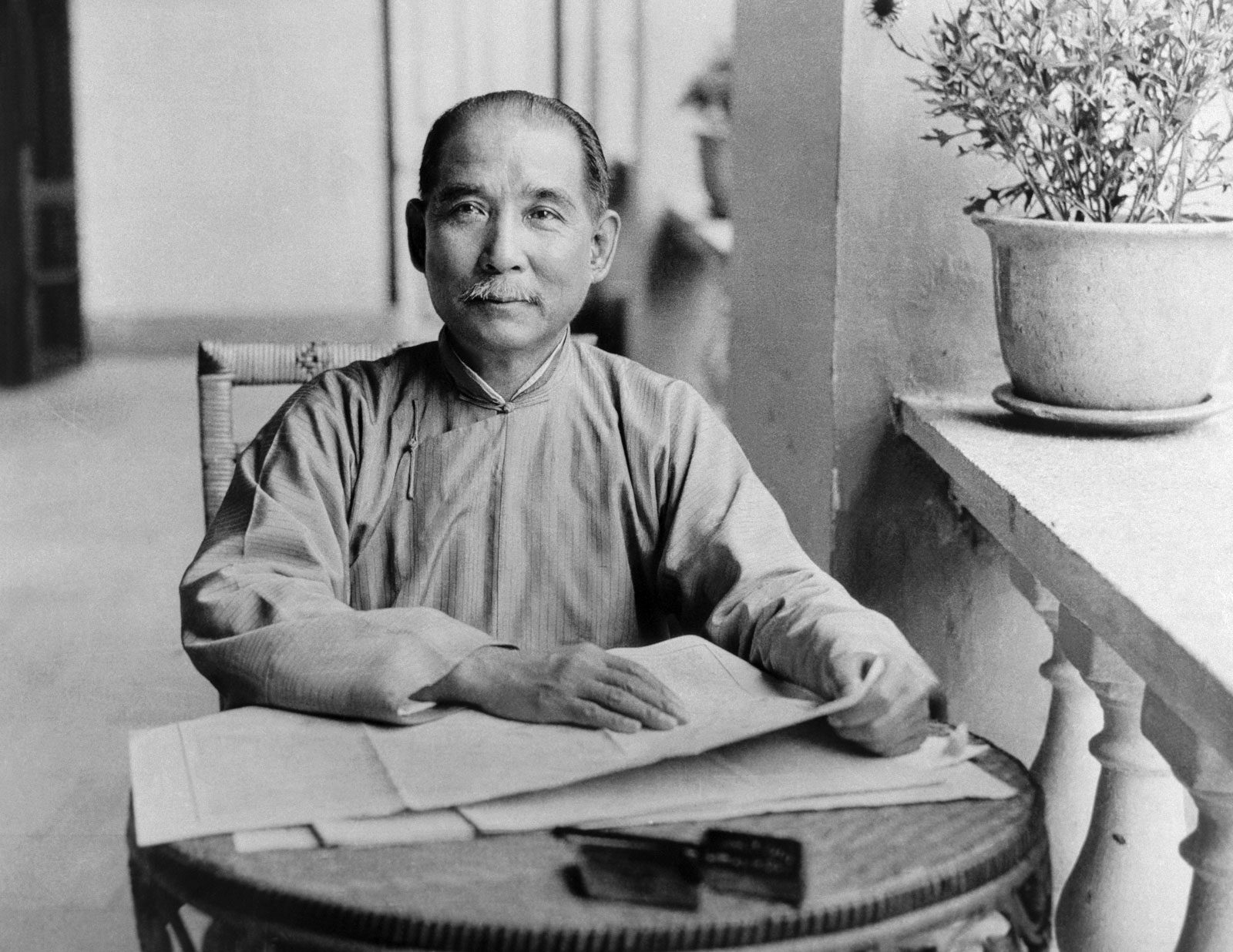
Box 2 – Model of the National Shanghai Medical College Hospital (now Zhongshan Hospital), founded in 1933 (source: photographed by the author in the Shanghai Urban Historical Development Exhibition Hall, 2014)
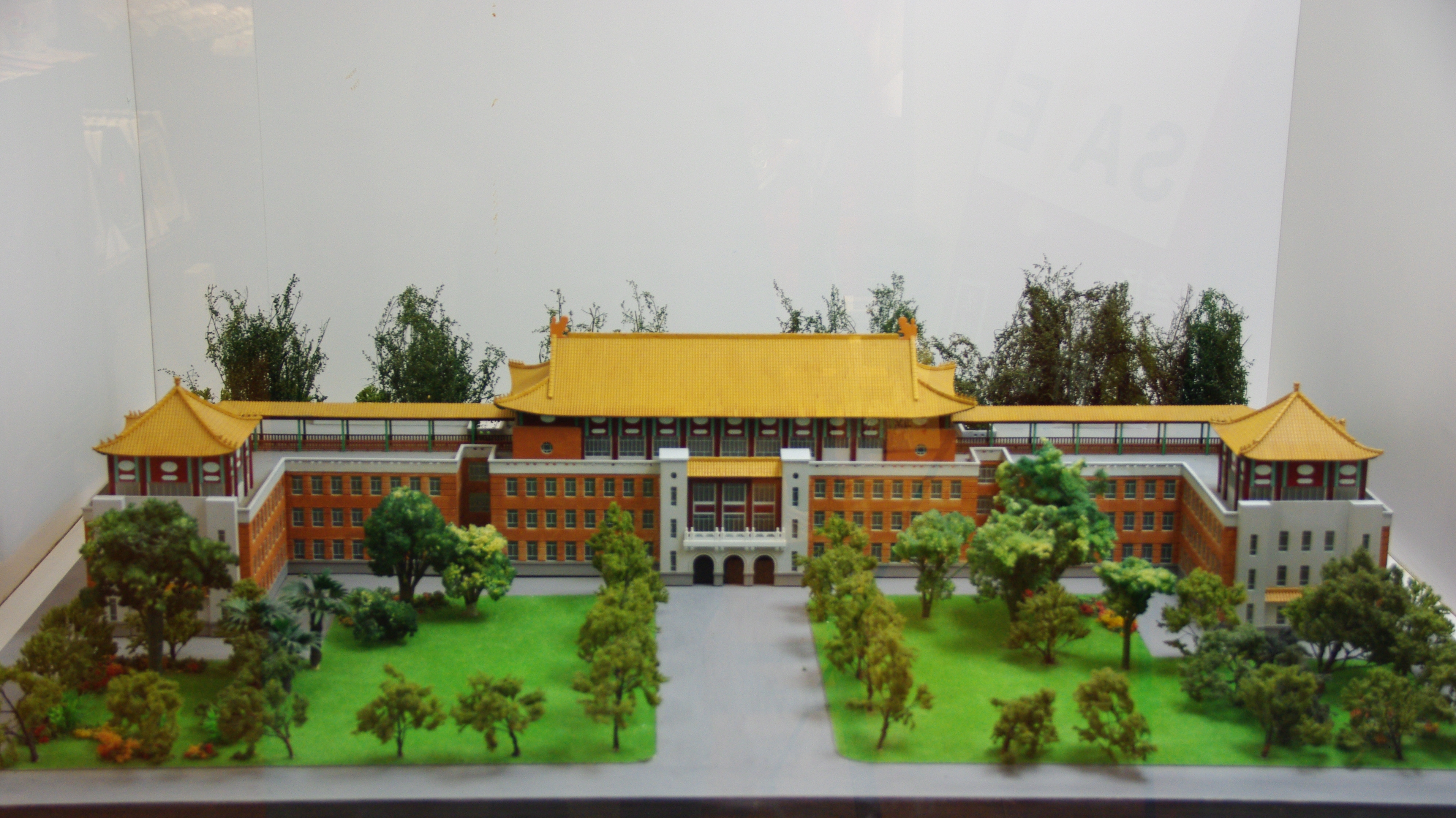
Box 3 – Facilities in Chinese mission hospitals, 1919–1934
Facility |
1919* (197 hospitals) |
1934† (214 hospitals) |
|||||||||||||
Pure water supply |
7% |
46% |
|||||||||||||
Flush toilets |
26% |
43% |
|||||||||||||
Patients regularly bathed |
50% |
81% |
|||||||||||||
Kitchens fly-screened |
33% |
86% |
|||||||||||||
Hospital laundry |
57% |
80% |
|||||||||||||
Adequate bedding for patients |
63% |
90% |
|||||||||||||
Autoclave for sterilisation |
66% |
91% |
|||||||||||||
Diagnostic laboratory |
69% |
96% |
|||||||||||||
Incubator for bacteriology |
15% |
56% |
|||||||||||||
X-ray machine |
12% |
50% |
|||||||||||||
More than one foreign-trained doctor |
20% |
45% |
|||||||||||||
24-hour nursing care |
38% |
84% |
|||||||||||||
* Extracted from Balme (1920).41 † Extracted from Snell (1934).42 | |||||||||||||||
Competing interests
No relevant disclosures.
Acknowledgements
I thank Professor Antonia Finnane, Professor of Chinese History at the University of Melbourne, for teaching me about this period of Chinese history and inspiring the writing of this article.
References
- Smith AJ. Barefoot doctors and the medical pyramid. Br Med J 1974; 2: 429-432.
- Zhang D, Unschuld PU. China’s barefoot doctor: past, present and future. Lancet 2008; 372: 1865-1867.
- Cochetel L. Le premier empereur. Paris: Sand, 1990.
- Chen H. Brief history of public health in China. In: Chen H, Zhu C, editors. Chinese health care: a comprehensive review of the health services of the People’s Republic of China. Lancaster (UK): MTP Press, 1984; pp 13-58.
- Jewell JA. Chinese and Western medicine in China, 1800–1911. In: Hillier SM, Jewell JA, editors. Health care and traditional medicine in China. London: Routledge, 1983; pp 3-27.
- Zhang B. A preliminary analysis of scientific development and its causes in Anhui Province during the Ming and Qing dynasties. In: Fan D, Cohen RS, editors. Chinese studies in the history of science and technology. Dordrecht: Kluwer Academic Publishers, 1995; pp 327-344.
- Thomson JC. Medical missionaries to the Chinese. China Medical Missionary Journal 1890; 4: 231-235.
- Darwin J. After Tamerlane: the global history of empire since 1405. New York: Bloomsbury Press, 2008.
- McKenzie JK. The evangelistic side of a medical mission. China Medical Missionary Journal 1887; 1: 5-8.
- Constitution and by-laws of the Medical Missionary Association of China. China Medical Missionary Journal 1887; 1: 32-33.
- Summary of news. North-China Herald 20 Dec 1881, p. 650.
- New Chinese hospital at Tientsin. North-China Herald 16 Dec 1880, p. 557.
- Third Annual Report of the American Episcopal Mission Hospital and Dispensary, 1870. North-China Herald 1 Mar 1871, p. 135.
- Wong KC, Wu LT. History of Chinese medicine: being a chronicle of medical happenings in China from ancient times to the present period. 2nd ed. Shanghai: National Quarantine Service, 1936.
- The ether patent. American Medical Times 1862; 4: 83-84.
- Whitney HT. President’s address. China Medical Missionary Journal 1897; 11: 1-3.
- The Hankow Mission Hospital. North-China Herald 5 Oct 1869, p. 525.
- Cousland PB. The Burns’ Memorial Hospital. China Medical Missionary Journal 1897; 11: 101-104.
- Retrospect of 1871: foreign relations with China. North-China Herald 11 Jan 1872, p. 17.
- Bowers JZ. American private aid at its peak: Peking Union Medical College. In: Bowers JZ, Purcell EF, editors. Medicine and society in China. Shanghai: Josiah Macy Foundation, 1974; pp 82-98.
- Medical work in China: The Rockefeller Foundation annual report 1913–14. New York: Rockefeller Foundation, 1915.
- Vincent GE. Rockefeller Foundation annual report 1919. New York: Rockefeller Foundation, 1919.
- Wu LT. Modern Chinese physicians and practice. In: China Christian yearbook. Shanghai: Christian Literature Society of China, 1926; pp 355-363.
- Cody JW. American planning in Republican China, 1911–1937. Planning Perspectives 1996; 11: 339-377.
- Tyau MTZ. Two years of Nationalist China. Shanghai: Kelly and Walsh, 1930.
- Tang JL, Wong TW. The need to evaluate the clinical effectiveness of traditional Chinese medicine. Hong Kong Med J 1998; 4: 208-210.
- Yip K-c. Health and national reconstruction in Nationalist China: the development of modern health services, 1928–1937. Ann Arbor, Mich: Association for Asian Studies, 1995.
- Yang M. Birth control in Peiping: first report of the Peiping Committee on Maternal Health. Chin Med J 1934; 48: 786-791.
- Jewell JA. The development of Chinese health care, 1911–49. In: Hillier SM, Jewell JA, editors. Health care and traditional medicine in China. London: Routledge, 1983; pp 28-65.
- Grant JB. State medicine: a logical policy for China. National Medical Journal of China 1928; 14: 65-80.
- Chen Z. Medicine in rural China: a personal account. Berkeley: University of California Press, 1989.
- Child health emphasized in Nanking order. The China Press 13 July 1936, p. 8.
- Wang TH. Municipal government undertakes extensive public health work. The China Press 3 June 1937, p. 12.
- Health workers combine to help million lepers. The China Press 31 July 1930, p. 2.
- Tang TC. Public health services of China grow: modern methods taking root in this country. The China Press 28 June 1934, p. 9.
- Maxwell JL. Report of faecal examination of 1000 cases male and 50 cases female at the Mission Hospital, Tainan, Formosa. China Medical Journal 1908; 22: 217-221.
- Peill SG. Rural medical evangelism. The Chinese Recorder 1 Jan 1925, p. 26.
- Li TA. Summary report of rural public health practice in China. Chin Med J 1934; 48: 1086-1090.
- Litsios S. The Rockefeller Foundation’s struggle to correlate its existing medical program with public health work in China. In: Borowy I, editor. Uneasy encounters: the politics of medicine and health in China, 1900–1937. Frankfurt am Main: Peter Lang, 2009; pp 177-204.
- Health work in North-West China. North-China Herald and Supreme Court & Consular Gazette 12 June 1935, p. 424.
- Balme H. An enquiry into the scientific efficiency of mission hospitals in China. 1920. In: Mission hospitals in China. Papers read at the conference of the China Medical Missionary Association, Peking. February. 1920; pp. 1-40. http://images.library.yale.edu/divinitycontent/dayrep/3752709_1920_034-007_eng.pdf (accessed 30 July 2016).
- Snell JA. An enquiry into the present efficiency of hospitals in China with special reference to recent growth (Chinese Medical Association Special Report Series, No. 1). Shanghai, 1934.
Provenance: Not commissioned; externally peer reviewed.
Medical Colleges Have an Obligation to Ensure Full Participation in Clinical Quality Registries
Thomas J. Hugh
Getting on the Same Page: Why Australia Needs a National Maternity Early Warning System (MEWS) Chart
Briony A. Cutts, Lucy Bowyer, Nisha Khot, Sandra Lowe, Stefan C. Kane
Data for Equity: Can Linked Administrative Data Inform Pathways to More Equitable Child Health?
Sarah Gray, Shuaijun Guo, Meredith O'Connor, Elodie O'Connor, Katrina Williams, Hannah Badland, Susan Woolfenden, Josie Dickerson, Gerry Redmond, Marnie Downes, Sharon R. Goldfeld
Specialty College Selection: Why Change is Critical to Support a Future Rural Workforce
Matthew R. McGrail, Jenny May AM, Katherine Logan
Differentiated and simplified oral HIV pre‐exposure prophylaxis (PrEP) models hold the key to virtually eliminating HIV transmission in Australia by 2030
Tyson Arapali, Sarah Warzywoda, Anthony K J Smith, Curtis Chan, Timothy R Broady, Erin Sullivan, Catherine MacPhail, Mohamed A Hammoud, Alexander Dowell‐Day, Benjamin R Bavinton
The number of cancer‐related deaths that could be attributable to spatial disparities in survival in Australia, 2010–2019: a retrospective population‐based cohort study
Charlotte K Bainomugisa, Jessica Cameron, Paramita Dasgupta, Peter Baade