




Volume 186 - Issue 11
John William Ruhno MB BS, FRACP
Author: Janet Rimmer
Med J Aust 2007; 186 (11): 598. || doi: 10.5694/j.1326-5377.2007.tb01063.x
Published online: 4 June 2007
Published online: 4 June 2007
The sudden and untimely death of John Ruhno has deprived many patients of his well regarded expertise in the fields of clinical immunology and allergy. For both patients and colleagues, John’s most significant contribution has been to the management of anaphylaxis in Australia.
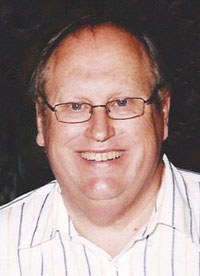
John was born on 23 July 1952 in Toowoomba, Queensland, and educated at The Southport School. He graduated in medicine from the University of Queensland in 1976. After specialising in paediatrics at Royal Brisbane Hospital, he trained in clinical immunology and allergy at Royal Newcastle Hospital. In 1985, as the Royal Australian College of Physicians’ Bencard Travelling Fellow, he took up the position of Fellow in Immunology and Molecular Virology at McMaster University, Ontario, Canada, documenting basic and clinical research findings on nasal polyposis.
Returning to Australia in 1989, John worked in Sydney as a Visiting Medical Officer at The Children’s Hospital, Westmead, and in the Department of Allergy at Royal North Shore Hospital. He also went into private practice in Chatswood and provided a much needed outreach service to the town of Nowra in southern New South Wales.
John played a large role in the Australasian Society of Clinical Immunology and Allergy (ASCIA) at a local, national and international level. He was NSW representative from 1995 to 1996 and ASCIA representative to the World Allergy Organization House of Delegates from 1998 to 2005. In addition, John brought valuable expertise to a number of committees including ASCIA’s Computer Committee, Education Committee, and Anaphylaxis Working Party.
John was an early and enduring advocate for the ever burgeoning number of patients and their families suffering from anaphylaxis. He was co-founder of the Families of Anaphylactic Children Training and Support Group (FACTS) and Medical Advisor from its inception, then Chair of the Medical Advisory Board of Anaphylaxis Australia, which replaced FACTS.
John’s interest in research continued, and in the last 10 years of his life he was involved in collaborative work on several projects investigating the mechanism of egg allergy as a model in allergic disease development.
John had a wide range of interests. His knowledge of wine and fine food was prodigious, and his temperature-controlled wine cellar, complete with computerised records of its contents, was the envy of many. He was also a keen sailor and fisherman.
Although suffering from cardiomyopathy in the 6 months before his death, John had returned to full-time work. He died on 15 December 2006, at the age of 55. He is survived by his wife Alexandra and daughter Christina.
Rhabdomyolysis After COVID-19
Navya Kataria, Abel Devadass, Lana Sundac, Laura De Souza, Nabeel Sheikh, Samantha Ng, Scott Campbell, Yishen Wang, Ross S. Francis
Technological advances in the search for a CURE for asthma
Sara Quon, Timothy M Johanson, Ridhima Wadhwa, Alen Faiz, Anthony Flynn, Gary P Anderson, Amanda J Cox, Nicholas P West, Michael P Menden, Rhys S Allan
The CURE Asthma roadmap
Gary P Anderson, Anthony Flynn, Phil G Bardin, John D Blakey, Shyamali C Dharmage, Paul Foster, Peter G Gibson, Adam Jaffe, Alan James, Christine R Jenkins, Sundram Sivamalai, Peter D Sly, Guy B Marks, Vanessa M McDonald, Judy Wetttenhall
The first live term birth following uterus transplantation in Australia
Rebecca Deans, Brigitte Gerstl, Antonia W Shand, Sarah Lyons, Aaron Budden, Helen L Barrett, Grant Luxton, Mangalee Fernando, Kenneth Yong, Karen Keung, Kaushalya Arulpragasam, Henry Pleass, King Man Wan, Eva Kehag, Jana‐Emily Pittman, Mianna Lotz, Maria Fenn, Erin Nesbitt‐Hawes, Lily Byun, Katrina Tang, Mats Brannstrom, Jason Abbott
The public health impacts of mining in Australia
Javier Cortes‐Ramirez, Ruby N Michael, Leisa‐Maree Toms, Melissa Haswell
Lingual Raynaud phenomenon
Michael Taggart, Mina John