

|
Home | Issues | eMJA shop | Classifieds | Contact | More... | Topics | Search | Login | Buy full access |
→ Contents list for this issue
→ More articles on Cardiology and cardiac surgery

National Heart Foundation of Australia
The Cardiac Society of Australia and New Zealand
These guidelines were developed by means of a consensus approach which involved
an independent assessment of key Australian and international evidence-based clinical guidelines,
scientific articles and trial data, which are incomplete in some areas.
Recommendations are not necessarily congruent with current Pharmaceutical Benefits Scheme criteria for eligibility for subsidy in all areas.
The guidelines provide a general framework for appropriate practice, to be followed subject to the practitioner’s judgement in each individual case. All treatments should be individualised according to the patient’s comorbidities, drug tolerance, lifestyle and living circumstances, and wishes.
For all medications, observe usual contraindications, be mindful of the potential for significant and possibly adverse drug interactions and allergies, and monitor and review patients carefully and regularly.
Where drug therapy is recommended for indefinite use, these recommendations have been based on the extrapolated findings of clinical trials which are by their nature of limited duration.
These guidelines were published in April 2006 and are based on the literature up to September 2005.
Please check Heartsite regularly for updates and amendments.
Effective systems of care are required to deliver optimal care for patients with acute coronary syndromes (ACS), particularly in rural and remote areas.
Systems of care should be regionally based, and have formal links with specialist centres for consultation and acute interhospital transfer.
Systems should include appropriate monitoring, feedback and quality improvement components.
Clinical decisions about care and transfer should take into account patients’ cultural and personal beliefs and wishes.
It is important to establish an initial working diagnosis to guide clinical decision making.
New definitions of myocardial infarction, based heavily on the presence of cardiac biomarkers, have implications for coding and epidemiological studies. However, clinically they do not influence the indications for ongoing prevention therapies.
Use of the ACS Dataset (part of the National Health Data Dictionary) can facilitate the collection of data relating to the presentation and management of ACS that can be compared and collated within and between health care providers.
People experiencing symptoms of an ACS should seek help promptly and activate emergency medical services.
The most important initial need is access to a defibrillator to avoid early cardiac death resulting from reversible arrhythmias.
Aspirin should be given early (ie, by emergency or ambulance personnel) unless already taken or contraindicated.
Oxygen should be given, as well as glyceryl trinitrate and intravenous morphine as required.
As a minimum, medical facilities receiving patients should be given warning of incoming patients in whom there is a high suspicion of an ACS — particularly ST-segment-elevation myocardial infarction (STEMI) — or whose condition is unstable.
Where appropriate, a 12-lead electrocardiogram (ECG) should be taken en route and transmitted to a medical facility.
Where formal protocols are in place, prehospital treatment (including fibrinolysis in appropriate cases) should be facilitated.
The ECG is the sole test required to select patients for emergency reperfusion (fibrinolytic therapy or direct percutaneous coronary intervention [PCI]).
Patients with STEMI who present within 12 hours of the onset of ischaemic symptoms should have a reperfusion strategy implemented promptly.
Patients with a suspected ACS without ST-segment elevation on ECG should undergo further observation and investigation to rule out other diagnoses, enable risk stratification and determine the most appropriate treatment strategy.
Patients whose ECG and cardiac marker levels are normal after a suitable period of observation should, where practicable, undergo provocative testing (eg, stress test) before discharge.
All patients undergoing reperfusion therapy for STEMI (PCI or fibrinolysis) should be given aspirin and clopidogrel unless these are contraindicated.
Antithrombin therapy should be given in combination with PCI or fibrinolytic therapy with fibrin-specific fibrinolytic agents, but antithrombin therapy in conjunction with streptokinase is optional.
It is reasonable to use abciximab with primary PCI, but glycoprotein (GP) IIb/IIIa inhibitors should generally be avoided with full or reduced doses of fibrinolytic therapy.
Time delay (both to first medical contact and potential PCI or fibrinolytic therapy) plays a major role in determining best management of STEMI.
In general, PCI is the treatment of choice, providing it can be performed promptly by a qualified interventional cardiologist in an appropriate facility.
In general, the maximum acceptable delay from presentation to balloon inflation is:
Note: for patients who present late (between 3 and 12 hours after symptom onset) to a facility without PCI capability, it is appropriate to consider transfer for primary PCI if balloon inflation can be achieved within 2 hours (including transport time).
All PCI facilities should be able to perform angioplasty within 90 minutes of patient presentation.
Fibrinolysis should be considered early if PCI is not readily available, particularly in rural and remote areas.
When there are major delays to hospitalisation (ie, more than 30 minutes), prehospital fibrinolysis should be considered.
Reperfusion is not routinely recommended in patients who present more than 12 hours after symptom onset and who are asymptomatic and haemodynamically stable.
Second-generation fibrin-specific fibrinolytic agents that are available as a bolus (ie, reteplase, tenecteplase) are the fibrinolytics of choice.
These agents should be available at all centres where fibrinolysis may be required.
Streptokinase is an inappropriate choice in Aboriginal and Torres Strait Islander patients, or in patients with previous exposure to the drug.
Patients who have had STEMI should be considered for early transfer to a tertiary cardiac centre with PCI facilities and links to cardiac surgical facilities.
If immediate transfer is not possible, patients should be transferred or referred as soon as is practicable for assessment of need for revascularisation (through PCI or coronary artery bypass grafting).
All patients with non-ST-segment-elevation acute coronary syndromes (NSTEACS) should have their risk stratified to direct management decisions (see Risk stratification for stratification criteria).
All patients with NSTEACS should be given aspirin, unless contraindicated.
High-risk patients with NSTEACS should be treated with aggressive medical management (including aspirin, clopidogrel, unfractionated heparin or subcutaneous enoxaparin, intravenous tirofiban or eptifibatide and a β-blocker), and arrangements should be made for coronary angiography and revascularisation, except in those with severe comorbidities.
Intermediate-risk patients with NSTEACS should undergo an accelerated diagnostic evaluation and further assessment to allow reclassification as low or high risk.
Low-risk patients with NSTEACS, after an appropriate period of observation and assessment, may be discharged on upgraded medical therapy for outpatient follow-up.
Before discharge, patients with an ACS should be initiated on a medication regimen, including antiplatelet agent(s), β-blocker, angiotensin-converting enzyme inhibitor, statin and other therapies as appropriate.
Implantable cardiac defibrillators should be considered in some patients who, despite optimal medical therapy, have persistently depressed left ventricular function more than 6 weeks after STEMI.
Patients should be given advice on lifestyle changes that will reduce the risk of further coronary heart disease (CHD) events, including smoking cessation, nutrition, alcohol, physical activity and weight management as relevant.
All patients should have access to, and be actively referred to, comprehensive ongoing prevention and cardiac rehabilitation services.
All patients should be provided with a written action plan for chest pain.
Depression and CHD frequently coexist, and in patients with CHD, the presence of depression is more likely to lead to poorer outcomes. Social isolation and lack of social support are also associated with worse outcomes. All patients with CHD should be assessed for depression and level of social support.
The levels of evidence and grades of recommendations used in these guidelines are adapted from the National Health and Medical Research Council (NHMRC) levels of evidence for clinical interventions and the US National Institutes of Health clinical guidelines. These classifications allow the ability to differentiate between strengths of recommendations and the levels of evidence on which these are based, and allow a classification for recommendations based on panel consensus judgement.
Levels of evidence and grades of recommendation used in these guidelines
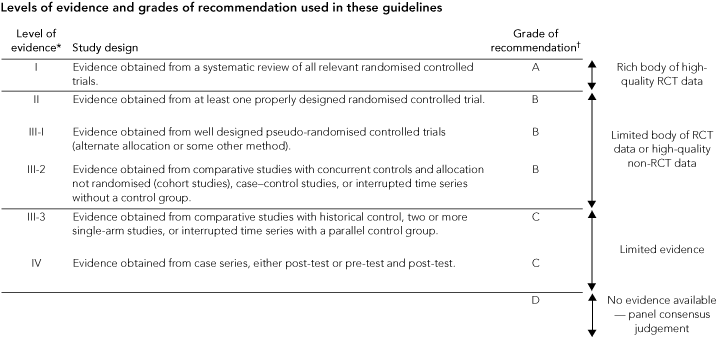
RCT = randomised controlled trial.
* National Health and Medical Research Council. A guide to the development, implementation and evaluation of clinical practice guidelines. Canberra: NHMRC, 1999.
† Adapted from: US National Institutes of Health. Clinical guidelines on the identification, evaluation, and treatment of overweight and obesity in adults: executive summary. Expert Panel on the Identification, Evaluation, and Treatment of Overweight in Adults. Am J Clin Nutr 1998; 68: 899-917.
Acute coronary syndromes (ACS) include “a broad spectrum of clinical presentations, spanning ST-segment-elevation myocardial infarction, through to an accelerated pattern of angina without evidence of myonecrosis”.1 Collectively, they represent one of the most common causes of acute medical admissions to Australian hospitals.
The current guidelines for the management of both ST-segment-elevation ACS and non-ST-segment-elevation ACS have been developed by a joint working party of the National Heart Foundation of Australia (NHFA) and the Cardiac Society of Australia and New Zealand (CSANZ).
The aim of these guidelines is to incorporate contemporary information on the diagnosis and management of ACS into a set of recommendations that defines the boundaries of highest quality care. The guidelines expand on previous guidelines2,3 by consolidating recommendations for the management of ST-segment-elevation myocardial infarction (STEMI), non-ST-segment-elevation myocardial infarction and unstable angina, as well as incorporating the newer developments that have arisen since the previous guidelines, Management of unstable angina — 20003 (and addenda, available at: http://www.heartfoundation.com.au) and Reperfusion therapy for acute myocardial infarction (2002).2
These new guidelines provide a general framework for appropriate practice, to be followed subject to clinical judgement in each individual patient. They are primarily for doctors in a hospital environment (emergency physicians, general physicians, rural doctors and cardiologists) who manage patients with ACS, but they also contain information relevant to general practitioners and others, including ambulance personnel. The guidelines are designed to provide information to assist decision making, and are based on the best information available up to September 2005. It should be understood that the context in which clinical trials are performed and the local environment in which practice is undertaken must always be considered when assessing the evidence base for guidelines and, at times, their local implementation.
These new guidelines represent a local synthesis of the most recent evidence including recent international guidelines. Where relevant, the evidence has been interpreted with regard to the Australian context in which the guidelines will be implemented.
Key recommendations are summarised at the beginning of these guidelines.
The ability to implement best-practice guidelines for the management of ACS will depend on local resources and systems of care. The following guidance is offered to assist practitioners and organisations in facilitating the most effective systems of care for the communities they serve.
Effective management of ACS requires collaborative systems of care to ensure that patients have access to the services that they need in a timeframe commensurate with their clinical condition and the potential benefit of treatments available in larger or specialised centres. The guiding principles for developing these systems are equity of access, equity of care and evidence-based care, taking into account patients’ preferences.
The systems of care should be regionally based, formal rather than ad-hoc, and should cover the continuum of care from the first point of presentation to a health professional to definitive care and rehabilitation. Responsibility for establishing these systems should be at board or executive level within health services.
The systems of care should address:
clinical issues such as consultation, treatment and acute inter-hospital transfer protocols (note that systems should enhance options for patients without disempowering decision making by appropriate local clinicians);
education; and
quality monitoring, such as time to specific treatments and outcomes.
The structure of these systems will vary depending on the features of the region in which they are placed. In a metropolitan setting, a hospital without percutaneous coronary intervention (PCI) capabilities may have arrangements with a local PCI-capable facility for timely transfer of selected patients. In a rural or remote setting, the system is usually considerably more complex and involves general practitioners or community health centres, prehospital care providers, retrieval services (such as Careflight, Victorian Adult Emergency Retrieval and Coordination Service, Royal Flying Doctor Service), and regional and metropolitan referral hospitals. The systems should be tailored to a region’s needs.
The key elements of successful systems include:
clear lines of communication (eg, single points of contact for consultation or referral and coordination of acute interhospital transfers; the consultation component is particularly important as the benefits of some treatments for ACS are time-dependent, so early decision making is vital);
clear triage protocols where appropriate, recognising the fact that the closest hospital may not be the most suitable in all cases (algorithms can be developed to guide decisions about the best primary destination for patients);
effective and timely feedback (this should be two-way, and should address ways to improve the process as well as collecting outcomes information; the latter should be both specific for the patient referred and pooled so that trends in outcomes and issues for improvement can be identified);
agreed treatment protocols, with processes to facilitate drug availability if required;
agreed acute interhospital transfer protocols and processes;
program quality monitoring, including analysis of adverse events and system breakdowns;
identified leaders (these may be drawn from across the system, but leaders should jointly accept responsibility for monitoring the system, providing education and feedback, developing improvements to the system if required, facilitating arrangements with relevant extra-regional organisations and acting as public spokespeople for the system); and
ownership of the established systems at a senior level within hospital or health service management.
On occasion, the pathway of care may recommend that patients be transferred from their local community or region to a distant centre. There may be strong personal or cultural reasons that make this difficult or unacceptable for some patients. Every effort should be made to overcome these barriers by appropriate explanation and discussion, involvement of family and community members and preferential transfer to centres that have specific programs and resources for relevant cultural groups (eg, Aboriginal Liaison Officers). If the barriers to transfer cannot be overcome and the patient asserts his or her right to be treated more locally, the patient should have the best care that can be delivered in that setting. This includes consultation with specialists.
Aboriginal and Torres Strait Islander peoples have a high rate of ACS, and lower intervention rates and poorer outcomes than non-Indigenous people.4 The reasons for this are complex and include barriers to health care access and language and cultural differences. To optimise outcomes for Indigenous people, systems of care that recognise these factors are needed in both metropolitan and rural and remote areas. These might include:
providing culturally appropriate education and information to Indigenous patients and their families through Aboriginal Health Workers and Hospital Liaison Officers; and
facilitating interhospital transfer arrangements by involving the local Aboriginal health sector and metropolitan hospital Aboriginal Liaison Officers.
Effective systems of care are required to deliver optimal care for people with ACS, particularly in rural and remote areas.
Systems of care should be regionally based, with formal links with specialist centres for consultation and acute interhospital transfer.
Systems should include appropriate monitoring, feedback and quality improvement components.
Clinical decisions about care and transfer should take into account patients’ cultural and personal beliefs and wishes.
The terminology used to describe ACS continues to evolve, with the emergence of the term “non-ST-segment-elevation acute coronary syndrome” (NSTEACS). This reflects a shift away from establishing a definitive diagnosis at presentation, and towards a more clinically appropriate strategy of forming a rapid working diagnosis with its implications for initial clinical decision making.
At presentation, the initial diagnostic nomenclature focuses on risk stratification to direct treatment strategies. Establishing a definitive diagnosis often requires time, particularly for evidence of myocardial necrosis to emerge, and has important implications pertaining to prognosis, diagnostic coding, and social issues such as insurance and licensure. See Box 1 for a representation of diagnosis over time, from presentation to final diagnosis.
The initial working diagnosis is based on the clinical presentation and the initial electrocardiogram (ECG) findings and, in particular, the presence or absence of ST-segment elevation. As the vast majority of patients who present with initial ST-segment elevation develop biochemical evidence of myonecrosis, the term “ST-segment-elevation myocardial infarction” (STEMI) is often used from the outset in these patients.
ACS without ST-segment elevation on the presenting ECG represent a broad spectrum of risk, but are collectively referred to as NSTEACS. This grouping is useful because emergency reperfusion therapy is not indicated (unless ST-segment elevation develops later), and further investigation is required to classify the patient’s risk and determine the most suitable treatment (see sections on Investigations and Management of patients with STEMI for further details).
The final diagnostic attribution (ie, clinical label) has important and persisting implications for the patient, both prognostically and socially. Current international criteria for the diagnosis of myocardial infarction have a strong emphasis on biomarkers, specifically troponin, given its high sensitivity and, in particular, specificity for myonecrosis.5 The diagnostic criteria for acute, evolving or recent myocardial infarction are defined as:
Typical rise in the serum level of troponin or a more rapid rise in the serum level of the MB isoenzyme of creatine kinase (CK-MB) with at least one of the following:
This definition requires a temporal appreciation of the cardiac markers, and therefore differentiation between non-ST-segment-elevation myocardial infarction and unstable angina (without evidence of myonecrosis) must be delayed.
While this differentiation is necessary for patient education and licensure (eg, permission to drive, particularly commercial vehicles), it does not change the indication for ongoing prevention strategies.
In 2004, the NHFA and the CSANZ developed a National ACS Dataset, which has now been included in the National Health Data Dictionary (http://meteor.aihw.gov.au).6 The dataset is a collection of coded definitions associated with the diagnosis and management of ACS. These definitions can be incorporated into electronic and/or paper-based data collection tools, thereby facilitating the collection of comparable and collatable data. By documenting criteria for risk stratification, the dataset may also help to facilitate prompt application of evidence-based therapies in the time-critical treatment of ACS. Other activities facilitated by a national dataset may include quality assurance and improvement initiatives and the development of relevant performance measures.1
It is important to establish an initial working diagnosis to guide clinical decision making.
New definitions of myocardial infarction, based heavily on the presence of cardiac biomarkers, have implications for coding and epidemiological studies. However, clinically, they do not influence the indications for ongoing prevention therapies.
Use of the ACS Dataset (part of the National Health Data Dictionary) can facilitate the collection of data relating to the presentation and management of ACS that can be compared and collated within and between health care providers.
Chest discomfort at rest or for a prolonged period (more than 10 minutes, not relieved by sublingual nitrates), recurrent chest discomfort, or discomfort associated with syncope or acute heart failure are considered medical emergencies. Other presentations of ACS may include back, neck, arm or epigastric pain, chest tightness, dyspnoea, diaphoresis, nausea and vomiting. Very atypical pain, including sharp and pleuritic pain, is more common in women, people with diabetes and older people.3,7,8
People experiencing such symptoms should seek help promptly and activate emergency medical services to enable transport to the nearest appropriate health care facility for urgent assessment (grade D recommendation). Ideally, transport should be by ambulance. However, where ambulance response times are long, alternatives may need to be considered. Patients should be strongly discouraged from driving themselves because of the risk to other road users.
The most important initial requirement is access to a defibrillator to avoid early cardiac death from reversible arrhythmias. All Australian ambulances now carry defibrillators, and there is promise in further exploring public access defibrillation opportunities. In the case of cardiac arrest occurring in a setting where a defibrillator is not immediately available, cardiopulmonary resuscitation should be commenced immediately.
Aspirin (300 mg) should be given unless already taken or contraindicated (grade A recommendation), and should preferably be given early (eg, by emergency or ambulance personnel) (grade D recommendation). Oxygen should also be given (grade D recommendation).
Glyceryl trinitrate and intravenous morphine should be given as required (grade D recommendation).
Where appropriate, a 12-lead ECG should be taken en route and transmitted to a medical facility (grade B recommendation).
Receiving medical facilities should be given warning of incoming patients in whom there is a high suspicion of ACS, particularly STEMI, or those whose condition is unstable (grade B recommendation).
Where formal protocols are in place, prehospital treatment should be given, including fibrinolysis in appropriate cases (grade A recommendation). See section on management of patients with STEMI for further discussion of prehospital fibrinolysis.
All patients presenting with suspected ACS should be subject to ongoing surveillance and have an ECG completed within 5 minutes of arrival at the medical facility (grade A recommendation). The ECG should be assessed promptly by an appropriately qualified person (grade D recommendation).
Oxygen and pain control should be given as required (grade D recommendation).
People experiencing symptoms of ACS should seek help promptly and activate emergency medical services.
The most important initial requirement is access to a defibrillator to avoid early cardiac death from reversible arrhythmias.
Aspirin should be given early (eg, by emergency or ambulance personnel) unless already taken or contraindicated.
Oxygen should be given, as well as glyceryl trinitrate and intravenous morphine as required.
As a minimum, receiving medical facilities should be given warning of incoming patients in whom there is a high suspicion of ACS, particularly STEMI, or whose condition is unstable.
Where appropriate, a 12-lead ECG should be taken en route and transmitted to a medical facility.
Where formal protocols are in place, prehospital treatment (including fibrinolysis in appropriate cases) should be facilitated.
Patients presenting with a suspected ACS should undergo immediate electrocardiography. Further investigations may be necessary, but should not delay treatment.
While other serious diagnoses can present similarly to ACS (eg, pulmonary embolism, aortic dissection, pericarditis), once these have been excluded and ACS is considered the most likely diagnosis further delay in treatment is unnecessary and inappropriate.
Investigations and invasive vascular access techniques should not delay reperfusion therapy if indicated on the basis of ST-segment elevation on the ECG.
Patients whose condition is unstable should have early consultation with a cardiologist.
Cardiac biomarkers are becoming increasingly important to the diagnosis of myocardial infarction. See Box 2 for recommendations and rationale regarding their measurement.
Electrocardiography is necessary to detect ischaemic changes or arrhythmias. It should be noted that the initial ECG has a low sensitivity for ACS, and a normal ECG does not rule out ACS. However, the ECG is the sole test required to select patients for emergency reperfusion (fibrinolytic therapy or direct PCI). Patients with STEMI who present within 12 hours of the onset of ischaemic symptoms should have a reperfusion strategy implemented promptly (grade A recommendation) — see the section on management of patients with STEMI for recommendations.
Serum troponin I or T levels (or CK-MB if troponin is not available).
Full blood count.
Serum creatinine and electrolyte levels, particularly potassium concentration, as hypokalaemia is associated with an increased risk of arrhythmias, especially ventricular fibrillation10 (grade B recommendation). Knowledge of kidney function (expressed as estimated glomerular filtration rate) is strongly encouraged (grade B recommendation) given the association between renal impairment and adverse outcomes (evidence level III).11
Serum creatine kinase (CK) level.
Serum lipid levels (fasting levels of total cholesterol, low-density-lipoprotein cholesterol, high-density-lipoprotein cholesterol and triglycerides) within 24 hours.
Blood glucose level.
Patients without ST-segment elevation on the initial ECG should be further observed and investigated to promptly identify patients suitable for an emergency reperfusion strategy (based on ECG changes) and/or determine the best management protocol for NSTEACS based on risk stratification (see section on Management of patients with NSTEACS).
Continuing investigations include:
continuous ECG monitoring of heart rhythm (ST-segment monitoring is desirable, if available; grade D recommendation); and
serial ECGs should be performed in patients with NSTEACS who have high and intermediate risk features (see section on Management of patients with NSTEACS). The frequency of ECGs will depend on clinical features (eg, every 10–15 minutes during ongoing symptoms, immediately if symptoms change while the patient is under observation, or at the same intervals as biomarker measurements if the patient is asymptomatic).
Ongoing discomfort requires frequent follow-up 12-lead ECGs (15 minutes apart if continuous ST-segment monitoring is unavailable) to rapidly detect ST-segment elevation and diagnose eligibility for a reperfusion strategy (grade D recommendation).
A repeat serum troponin measurement (unless already positive) should be performed at least 8 hours after the last episode of pain or other symptoms of coronary insufficiency. This has a high sensitivity for detecting acute myocardial infarction, but levels may be normal in other presentations of ACS (grade A recommendation).12
Patients with normal ECG and cardiac markers after an appropriate period of observation should, where practicable, undergo provocative testing (eg, stress test) before discharge. If not immediately available, provocative testing should be arranged at the earliest opportunity, optimally within 72 hours of the index episode (grade C recommendation).13
In patients with myocardial infarction, serial measurements of total CK should be performed for 48 hours, so that if re-infarction is suspected later, total CK can be remeasured to confirm a second event. A specific marker such as CK-MB may also be used for the diagnosis of re-infarction. Troponins are not useful for diagnosing early re-infarction, as they remain elevated for 5–14 days.12
The ECG is the sole test required to select patients for emergency reperfusion (fibrinolytic therapy or direct PCI).
Patients with STEMI who present within 12 hours of the onset of ischaemic symptoms should have a reperfusion strategy implemented promptly.
Patients with a suspected ACS without ST-segment elevation on the ECG should undergo further observation and investigation to rule out other diagnoses, enable risk stratification and determine the most appropriate treatment strategy.
Patients with a normal ECG and cardiac biomarker levels after an appropriate period of observation should, where practicable, undergo provocative testing (eg, stress test) before discharge.
2 Recommendations and rationale for measuring cardiac biomarker levels
STEMI is defined as presentation with clinical symptoms consistent with an acute coronary syndrome with ECG features including any of:
Persistent ST-segment elevation of ≥ 1 mm in two contiguous limb leads;
ST-segment elevation of ≥ 2 mm in two contiguous chest leads; or
New left bundle branch block (LBBB) pattern.6 (Note that LBBB is presumed new unless there is evidence otherwise; echocardiography may be useful to detect regional wall contraction abnormalities.)
Patients with STEMI usually have a completely occluded coronary artery with thrombus at the site of a ruptured plaque. Restoring coronary patency as promptly as possible is a key determinant of short-term and long-term outcomes (level I evidence).14-18
Patients with STEMI who present within 12 hours of the onset of ischaemic symptoms should have a reperfusion strategy implemented promptly (grade A recommendation).
Reperfusion may be obtained with fibrinolytic therapy or PCI. A combination of fibrinolysis and PCI may also be used (facilitated or rescue PCI). Coronary artery bypass graft (CABG) surgery may occasionally be more appropriate — particularly in patients who have suitable anatomy and are not candidates for fibrinolysis or PCI. CABG surgery may also be considered in patients with cardiogenic shock19 or in association with mechanical repair.12
See Box 3 for a summary for recommended adjuvant therapy.
Aspirin (300 mg) should be given to all patients with STEMI unless contraindicated and, in the absence of significant side effects, low-dose therapy should be continued in the long term (grade A recommendation).16,20
There is evidence that clopidogrel (300–600 mg loading dose) should be prescribed in addition to aspirin for patients undergoing PCI with a stent.21-23 In patients selected for fibrinolytic therapy, clopidogrel (300 mg) should be given in addition to aspirin, unless contraindicated (grade B recommendation).24 Note, however, that if it is thought that the patient is likely to require CABG acutely, clopidogrel should be withheld.
Clopidogrel (75 mg daily) should be continued for at least a month after fibrinolytic therapy, and for up to 12 months after stent implantation, depending on the type of stent and circumstances of implantation (level II evidence; grade B recommendation).25
With PCI: Antithrombin therapy should be used in conjunction with PCI (grade A recommendation). The dose of unfractionated heparin therapy will depend on concomitant use of glycoprotein (GP) IIb/IIIa inhibitors. The aim should be to obtain an activated clotting time (ACT) between 200 and 300 seconds if using GP IIb/IIIa inhibitors, or between 300 and 350 seconds if these drugs are not used (grade B recommendation). It may be advisable to give a bolus of heparin while the patient is in transit to the catheterisation laboratory (grade D recommendation).
The role of enoxaparin in acute STEMI in conjunction with PCI remains to be determined, but it appears to be safe and effective at a dose of 0.75 mg/kg (grade D recommendation).
With fibrinolysis: Antithrombin therapy should be used with fibrin-specific fibrinolytic agents (grade A recommendation).26,27
Unfractionated heparin should be given as an initial bolus dose of 60 units per kilogram of body weight (with a maximum dose of 4000 units) followed by an initial infusion of 12 units per kilogram per hour (maximum units 1000 per hour), adjusted to attain the activated partial thromboplastin time (APTT) at 1.5 to 2 times control (about 50–70 seconds; grade B recommendation).12
Enoxaparin may be used in conjunction with fibrin-specific fibrinolytic agents in patients under the age of 75 years, provided they do not have significant renal dysfunction. An intravenous bolus dose of 30 mg followed by a 1 mg/kg subcutaneous injection every 12 hours in combination with tenecteplase is the most comprehensively studied therapy.12 Care should be taken in patients who are aged over 75 years, or who have renal dysfunction, as dose adjustment is required.12
The use of antithrombin therapy in conjunction with streptokinase therapy is optional.28
It is reasonable to use abciximab with primary PCI, although there are conflicting data (grade B recommendation). It appears the earlier it is used, the greater the advantage.29 When used in patients with STEMI undergoing primary PCI, the timing of administration of abciximab is a matter of clinical judgement.30,31
Full-dose GP IIb/IIIa inhibitors should be avoided with fibrinolytic therapy (grade B recommendation) as there is evidence of excessive bleeding (including intracranial haemorrhage) with this combination.32 It is unclear how early full-dose GP IIb/IIIa inhibitors can be safely given after fibrinolysis, but it is probably at least 4 hours after administration of fibrin-specific fibrinolytic agents and 24 hours after administration of streptokinase.32
The combination of GP IIb/IIIa inhibitors with reduced doses of fibrinolytic therapy is not recommended. There is no significant advantage over full-dose fibrinolytic therapy alone, and the risk of bleeding is increased, particularly in the elderly.32 This combination has been used for facilitated PCI.32
All patients undergoing reperfusion therapy (PCI or fibrinolysis) for STEMI should be given aspirin and clopidogrel unless contraindicated.
Antithrombin therapy should be given in combination with PCI or fibrinolytic therapy with fibrin-specific fibrinolytic agents, but its use in conjunction with streptokinase is optional.
It is reasonable to use abciximab with primary PCI, but GP IIb/IIIa inhibitors should generally be avoided with full or reduced doses of fibrinolytic therapy.
3 Summary of adjuvant therapy associated with reperfusion
The choice of reperfusion therapy is usually between PCI and fibrinolytic therapy.
PCI is the best available treatment if provided promptly by a qualified interventional cardiologist in an appropriate facility (level I evidence; grade A recommendation).
PCI will improve both short-term and long-term outcomes (reduced deaths, myocardial infarctions and strokes) in patients with STEMI presenting within 12 hours compared with fibrinolytic therapy (level I evidence).33,34 However, this benefit may only occur if the additional time delay associated with PCI — over and above that associated with giving fibrinolysis — is less than 1 hour (level IV evidence).35 See below for further details.
Where PCI is not available or is delayed, reperfusion with fibrinolytic therapy should occur unless contraindicated (level I evidence; grade A recommendation).
Cardiologists performing primary PCI should have significant expertise in both coronary angioplasty and management of patients with acute myocardial infarction (level III evidence; grade B recommendation). The cardiologist and the unit should fulfill the minimum requirements defined by the CSANZ for competency in angioplasty.36 The unit should also perform a sufficient volume of primary PCIs — international experience suggests this might be more than 36 per unit per year (level III evidence; grade B recommendation).37
On-site surgical backup is not a requirement for primary angioplasty (level III evidence; grade B recommendation); however, established networks for urgent referral should be in place.
The choice of reperfusion therapy will depend on a number of factors, including:
time delay to PCI;
time from symptom onset to first medical contact;
time to hospital fibrinolysis;
contraindications to fibrinolytic therapy;
location and size of infarction;
presence of cardiogenic shock; and
special circumstances.
The major factor determining the choice of reperfusion strategy is time, including time since symptom onset, time delay for transportation, and time delay for PCI.
The acceptable delay to PCI will vary with time from symptom onset to presentation. Time to PCI in this context relates to time from presentation to balloon inflation, not arrival at a PCI-capable hospital or even at the catheter laboratory.
In general (see below for exceptions), a time delay of 90 minutes from first medical contact to balloon inflation is the maximum desirable, otherwise fibrinolysis should be used (level I evidence; grade A recommendation). This time is arrived at by presuming a delay of 30 minutes from presentation to delivery of fibrinolysis and recognising that PCI is of benefit if performed within 60 minutes of potential fibrinolysis.35 All PCI facilities should be able to perform angioplasty within 90 minutes of patient presentation.
In circumstances where the delay to hospital for fibrinolytic therapy is significant (more than 30 minutes), prehospital fibrinolysis should be considered (level II evidence; grade B recommendation) — see below.
Transfer for primary PCI versus immediate fibrinolysis: For patients presenting with STEMI at a facility without PCI facilities, transfer to a PCI-capable facility (rather than immediate fibrinolysis) may provide benefits in terms of risk of death, stroke and re-infarction, provided PCI can be performed promptly (level II evidence).38,39 If PCI can be performed in an appropriate time frame (see Box 4), the patient should be transferred to a PCI centre (grade B recommendation). Otherwise, fibrinolysis should be given.
Warning the cardiac catheter laboratory that the patient is being transferred is vital for implementation of this strategy.39
Direct transport to a PCI centre: Significant improvements in delay to PCI may be made by directly transporting patients to a PCI centre rather than transporting them to the nearest hospital if interhospital transfer will subsequently be required to obtain primary PCI (level II evidence; grade B recommendation).40 However, to translate such a protocol into benefit for patients, processes must be in place to identify appropriate patients accurately and minimise delay to PCI at the receiving hospital.
Transfer for PCI following fibrinolytic therapy — facilitated PCI: Facilitated PCI refers to a strategy of planned immediate PCI after an initial thrombolytic or fibrinolytic regimen, regardless of reperfusion status.
The possible drug regimen associated with facilitated PCI includes:
This strategy is theoretically attractive, but has not been proven. A recent trial with full-dose tenecteplase followed by immediate angioplasty (within a median time of 104 minutes) showed inferior outcomes compared with direct PCI.41 While other strategies continue to be tested in ongoing trials, immediate PCI after full dose fibrinolysis cannot be recommended at this time (grade D recommendation).
Rescue PCI (where reperfusion has not occurred) may be of benefit, and is discussed below.
Early presentation (< 1 hour after symptom onset): Reperfusion treatment has a much greater benefit in patients who present very early (level I evidence). Fibrinolytic therapy given early after symptom onset can result in a reduction in death of up to 50% (level I evidence),42 and, in patients who present very early (ie, within 1 hour), the delays to PCI become even more important. In this situation, fibrinolytic therapy should be considered unless PCI is available within 1 hour (level III evidence, grade B recommendation).
Presentation 1–3 hours after symptom onset: Both primary PCI and fibrinolysis are effective for treating STEMI within 1–3 hours of symptom onset (level I evidence).38 PCI is preferable if it can be performed in a timely manner (balloon inflation within 90 minutes of first medical contact or 60 minutes of potential fibrinolysis), or if fibrinolysis is contraindicated (grade A recommendation). Otherwise, fibrinolysis should be used (grade A recommendation).
Late presentation (3–12 hours after symptom onset): For patients who present more than 3 hours after symptom onset, reperfusion with PCI is superior to fibrinolytic therapy (level II evidence, grade B recommendation),38 and the window of efficacy is wider.12 Balloon inflation should be achieved within 90 minutes of presentation to a PCI-capable facility. However, for facilities without PCI capability, consideration of transfer for primary PCI is appropriate if balloon inflation can be achieved within 2 hours (including transport time). If PCI is not available within this time frame, fibrinolysis should be given (grade A recommendation).
Very late presentation (> 12 hours after symptom onset): Reperfusion therapy with either PCI or fibrinolysis is not routinely recommended in patients who are asymptomatic and haemodynamically stable, and who present more than 12 hours after symptom onset (grade B recommendation).43 Preliminary evidence, however, suggests that patients may benefit from PCI performed between 12 and 24 hours after symptom onset.44
If the patient has ongoing symptoms or is haemodynamically unstable, either reperfusion strategy can be considered (grade B recommendation).
In some cases, the delay between a patient’s first presentation (to emergency medical services, general practitioner or health clinic) and either PCI or hospital-based fibrinolysis may be considerable. In such cases, prehospital fibrinolysis should be considered (grade B recommendation).
In the Australian context, prehospital fibrinolysis (by general practitioners, ambulance paramedics, nurses or other qualified staff in a variety of prehospital settings) needs to be considered:
when the delay to PCI is outside acceptable limits defined above; and
when transport delay to a hospital for fibrinolysis exceeds 30 minutes (grade B recommendation).
These circumstances will usually apply to patients from rural and remote areas, and some fringe or commuter areas around major cities.45 The above recommendation is based on data from Victoria showing a greater relative risk of death if fibrinolysis is delayed beyond this time46 and by a meta-analysis comparing in-hospital and prehospital fibrinolysis.47 There is evidence that, among patients receiving fibrinolysis in the Northern Territory, Indigenous patients are more likely to receive prehospital fibrinolysis than non-Indigenous patients.48
Prehospital fibrinolysis should be considered as a component of the system of care. It requires established linkages for patient transfer for further care; drug and transfer protocols; processes for consultation, training and quality assurance; and processes to facilitate access to appropriate fibrinolytic agents. These system issues should be addressed on a regional basis (grade D recommendation).
Patients with a contraindication to fibrinolytic therapy benefit from early interventional therapy49 and should be considered for early transfer if invasive facilities are not available (grade B recommendation). The delay to PCI can be longer than discussed above, as it is important that an attempt to reperfuse is made even if there is a long delay of up to 12 hours from symptom onset (level III evidence, grade B recommendation). See Box 5 for absolute and relative contraindications to fibrinolytic therapy.
In patients with acute myocardial infarction involving a large area of risk, successful reperfusion is even more important. The area of risk can be defined by the extent of ECG changes. High-risk patients include those with anterior ST-segment elevation (with the more chest leads involved, the higher the risk), inferior infarctions with significant anterior ST-segment depression, signs of right ventricular infarction or left bundle branch block (level I evidence).
In situations where resources do not allow PCI for all patients, its selective use for patients with large infarctions is advisable (grade A recommendation).
PCI is the preferred strategy in patients aged under 75 years with cardiogenic shock, provided it can be performed promptly. The aim should be balloon inflation within 90 minutes of first medical contact (level II evidence, grade B recommendation).51 In patients aged over 75 years with significant comorbidity, initial conservative treatment may be preferable.52
While fibrinolytic therapy does not provide a major benefit in cardiogenic shock,14 it should be considered in patients with ST-segment elevation and cardiogenic shock if PCI is not a realistic option (grade D recommendation).
CABG surgery should be considered in patients with cardiogenic shock and appropriate coronary artery anatomy (level II evidence, grade B recommendation).
Diagnosis of STEMI is in doubt: In selected high-risk patients who present with what appear to be ischaemic symptoms, but no clear evidence of ST-segment elevation on the ECG (as can occur particularly with occlusions of the circumflex artery), coronary angiography with possible angioplasty may be preferable to treatment with fibrinolytic therapy (grade D recommendation). If this is not available, repeated ECGs or echocardiography (to detect regional wall contraction abnormalities) may be useful in identifying candidates suitable for reperfusion therapy, and the opinion of an experienced cardiologist should be sought urgently.
Heart failure: PCI is the preferred strategy for patients with severe heart failure (Killip class, ≥ 3) (level III evidence; grade B recommendation).
In general, PCI is the treatment of choice (grade A recommendation), but only if:
it can be performed promptly; and
it is performed by appropriately qualified interventional cardiologists in an appropriate facility.
When PCI is not promptly available, fibrinolytic therapy should be used.
See Boxes 4 and 6 for simplified algorithms to direct decision making based on these parameters in the hospital and prehospital settings, respectively.
Choice of reperfusion strategy depends on a number of factors, with time delay (both to presentation and potential PCI or fibrinolytic therapy) playing a major role in determining best management.
In general, PCI is the treatment of choice, provided it can be performed promptly by a qualified interventional cardiologist in an appropriate facility.
In general, the maximum acceptable delay from presentation to balloon inflation is:
Note: for patients who present late (3–12 hours after symptom onset) to a facility without PCI capability, it is appropriate to consider transfer for primary PCI if balloon inflation can be achieved within 2 hours (including transport time).
All PCI facilities should be able to perform angioplasty within 90 minutes of patient presentation.
Fibrinolysis should be considered early if PCI is not readily available, particularly in rural and remote areas.
When there are major delays to hospitalisation (more than 30 minutes), prehospital fibrinolysis should be considered.
Reperfusion is not routinely recommended in patients who present more than 12 hours after symptom onset and who are asymptomatic and haemodynamically stable.
4 Hospital management of ST-segment-elevation myocardial infarction*

* Assuming no contraindications to fibrinolytic therapy — see Box 5. † Time delay refers to time from first medical contact to balloon. ‡ Patients with ongoing symptoms or instability should be transferred for PCI.
Note: Reperfusion after 12 hours is indicated for cardiogenic shock, ongoing pain or haemodynamic instability (see text).
5 Contraindications and cautions for fibrinolysis use in ST-segment-elevation myocardial infarction*
Active bleeding or bleeding diathesis (excluding menses)
Significant closed head or facial trauma within 3 months
Suspected aortic dissection (including new neurological symptoms)50
Risk of intracranial haemorrhage
Any prior intracranial haemorrhage
Ischaemic stroke within 3 months
Known structural cerebral vascular lesion (eg, arteriovenous malformation)
Known malignant intracranial neoplasm (primary or metastatic)
Current use of anticoagulants: the higher the international normalised ratio (INR), the higher the risk of bleeding
Non-compressible vascular punctures
Recent major surgery (< 3 weeks)
Traumatic or prolonged (> 10 minutes) cardiopulmonary resuscitation
Recent (within 4 weeks) internal bleeding (eg, gastrointestinal or urinary tract haemorrhage)
Active peptic ulcer
Risk of intracranial haemorrhage
History of chronic, severe, poorly controlled hypertension
Severe uncontrolled hypertension on presentation (> 180 mmHg systolic or > 110 mmHg diastolic)
Ischaemic stroke more than 3 months ago, dementia, or known intracranial abnormality not covered in contraindications
* Modified with permission of the American College of Cardiology and the American Heart Association.12
6 Prehospital management of ST-segment-elevation myocardial infarction (STEMI)

There are four fibrinolytic agents currently available in Australia; streptokinase and the tissue fibrin-specific fibrinolytic agents alteplase, reteplase and tenecteplase. The properties of these agents are summarised in Box 7.
Fibrin-specific fibrinolytic agents have been shown to reduce mortality compared with streptokinase in patients with STEMI who present within 6 hours of symptom onset (level I evidence).55 Fibrin-specific fibrinolytic agents also lack the significant acute side effects of hypotension and allergy caused by streptokinase (level I evidence). Streptokinase may be associated with a lower incidence of intracranial haemorrhage, particularly in older people (level I evidence), but the overall mortality is still lower with the use of fibrin-specific fibrinolytic agents (level II evidence).56 Tenecteplase is associated with a lower rate of bleeding than alteplase (level II evidence).57
Second-generation fibrin-specific fibrinolytic agents can be given as either single or double bolus injections, which makes them significantly easier to use than streptokinase.
In combination therapy, PCI combined with fibrin-specific fibrinolytic agents appears to have greater efficacy and results in fewer complications than PCI combined with streptokinase (level III evidence, grade B recommendation).58
Streptokinase should not be given to patients with previous exposure (more than 5 days ago) to the drug (grade B recommendation). There is also evidence that streptokinase may be less effective in Aboriginal and Torres Strait Islander peoples because of the high levels of skin infection (and thus streptococcal antibodies), particularly in remote populations.45,59 It is therefore an inappropriate choice of agent in these populations (level III evidence, grade B recommendation). Making second-generation fibrin-specific fibrinolytic agents the standard choice is likely to decrease inequalities of care between Indigenous and non-Indigenous populations, in addition to providing superior reperfusion.
Therefore, second-generation fibrin-specific fibrinolytic agents which are available as a bolus (ie, reteplase, tenecteplase) are the fibrinolytics of choice (grade A recommendation). These agents should be available at all centres where fibrinolysis may be required (grade D recommendation).
Second-generation fibrin-specific fibrinolytic agents that are available as a bolus (ie, reteplase, tenecteplase) are the fibrinolytics of choice.
These agents should be available at all centres where fibrinolysis may be required.
Streptokinase is a particularly inappropriate choice for Aboriginal and Torres Strait Islander patients or patients with previous exposure to the drug.
7 Fibrinolytic agents currently available in Australia — prescribing information and properties
After reperfusion therapy, patients should be monitored for symptoms and changes in ST-segment elevation (grade D recommendation). Non-invasive findings suggestive of successful reperfusion include relief of symptoms, restoration of haemodynamic or electrical stability, and reduction by 50% of the initial ST-segment elevation within 60–90 minutes of initiation of therapy.12
In patients in whom fibrinolysis fails, rescue PCI should be considered (grade B recommendation). Ideally, patients who receive fibrinolysis at a facility not capable of PCI should be transferred rapidly so that rescue PCI can occur no later than 90 minutes after fibrinolysis if necessary (grade C recommendation). It is recognised that this may have systems implications that will need to be explored.
Patients in whom reperfusion fails, or in whom re-occlusion occurs, in a setting where rescue PCI can not be performed within a reasonable time should be considered for further medical reperfusion.
There are few data for patients in whom reperfusion fails, but an additional dose of fibrinolytic therapy has been given (grade D recommendation). The balance between the risk of the myocardial infarction and the risk of bleeding must be considered.
While GP IIb/IIIa inhibitors are not generally recommended at the time of fibrinolytic therapy, preliminary data suggest that administering intravenous tirofiban to patients with failed fibrinolysis or recurrent ST-segment elevation results in a superior outcome compared with historical controls (level III evidence).60 In patients who re-occlude after initial fibrinolytic therapy, a further dose of fibrinolytic can be given safely, as long as the effects of the first dose have abated (6 hours after fibrin-specific fibrinolytic agents, 24 hours after streptokinase).
Rescue PCI may be beneficial in patients with:
haemodynamic and electrical instability (level II evidence);
persistent ischaemic symptoms (level III evidence);
cardiogenic shock (level II evidence).
Rescue PCI refers to PCI after failed fibrinolysis for patients with continuing or recurrent myocardial ischaemia. PCI should be considered in patients who develop cardiogenic shock within 36 hours after a myocardial infarction, or those who develop severe haemodynamic instability (grade B recommendation).51,61
The data for rescue PCI are still evolving, but general consensus is that obtaining normal coronary flow has long-term beneficial effects (grade D recommendation).
Patients who have had STEMI should be considered for transfer to a tertiary cardiac centre with PCI facilities and links to cardiac surgical facilities (grade B recommendation). There is a significant incidence of re-occlusion and re-infarction after reperfusion therapy.33,55 Many patients will develop symptomatic angina or require hospital admission later.26 There is evidence that transfer for further assessment and appropriate revascularisation will reduce symptomatic angina and re-admission,62 but few data suggest improved survival or reduction in recurrent myocardial infarction.
The timing of the transfer will depend on the success of reperfusion, haemodynamic and electrical stability, and the availability of transfer. Decisions about transfer should be made within the local context.
Early transfer should be considered in all patients, but particularly those with any of the following:
ongoing pain;
a large area of myocardium at risk (including those with anterior ST-segment elevation, inferior infarctions with significant anterior ST-segment depression, signs of right ventricular infarction or LBBB);
known poor left ventricular function; and
renal impairment.
If immediate transfer is not possible, all patients should be transferred or referred as soon as is practicable for coronary angiography and assessment of the need for revascularisation (by PCI or CABG; grade D recommendation).
For patients with objective evidence of recurrent myocardial infarction in whom there is spontaneous or inducible ischaemia or haemodynamic instability, coronary angiography with a view to PCI or coronary surgery, if appropriate, should be performed (grade B recommendation).
CABG may be considered in patients with poor ventricular function and appropriate coronary anatomy, patients with left main disease and patients with severe triple vessel disease (grade B recommendation).63,64
Patients who have had STEMI should be considered for early transfer to a tertiary cardiac centre with PCI facilities and links to cardiac surgical facilities.
If early transfer is not possible, all patients should be transferred or referred as soon as is practicable for assessment of the need for revascularisation through PCI or CABG.
The initial objective of evaluation is to define the likelihood of an ACS as the cause of a patient’s presentation. Most patients will present with prolonged or recurrent central chest discomfort but others, particularly the elderly, people with diabetes and women, may present with atypical symptoms. These include neck, jaw, back or epigastric discomfort or dyspnoea, diaphoresis, nausea and vomiting. Age is an important risk factor, and the presence (or absence) of coronary risk factors adds little to the accuracy of the diagnosis in middle-aged or elderly patients, but is more useful in making a diagnosis in younger patients. A history of physical or emotional stress before symptom onset increases the likelihood of an ACS. Most patients with NSTEACS are normal on physical examination. An abnormal ECG, particularly dynamic ST-segment deviation (≥ 0.5 mm) or new T-wave inversion (≥ 2 mm) will confirm the diagnosis, but the ECG may be normal or show minor changes in up to 50% of cases.
The second objective of evaluation is to determine the risk of short-term adverse outcomes, which will direct the management strategy. Box 8 provides a paradigm for the risk stratification of patients presenting with suspected NSTEACS, and a simplified risk assessment algorithm is shown in Box 9. Most patients admitted to hospital with possible NSTEACS will have intermediate-risk or high-risk features (Box 8), and these patients are best managed with a structured clinical pathway (see Investigations section). Patients with clinical features consistent with NSTEACS and high-risk features are best managed with aggressive medical and invasive therapy (detailed later). Patients with diabetes or chronic kidney disease with typical symptoms of ACS would be considered to be at high risk, but those with atypical symptoms and normal ECGs and cardiac biomarker levels may initially be considered at intermediate risk until a diagnosis is made. Patients with low-risk unstable angina may be managed with upgraded medical therapy and outpatient cardiac referral.
8 Features associated with high-risk, intermediate-risk and low-risk non-ST-segment-elevation acute coronary syndromes (NSTEACS)
Presentation with clinical features consistent with acute coronary syndromes (ACS) and any of the following high-risk features:
Repetitive or prolonged (> 10 minutes) ongoing chest pain or discomfort;
Elevated level of at least one cardiac biomarker (troponin or creatine kinase-MB isoenzyme);
Persistent or dynamic electrocardiographic changes of ST-segment depression ≥ 0.5 mm or new T-wave inversion ≥ 2 mm;
Transient ST-segment elevation (≥ 0.5 mm) in more than two contiguous leads;
Haemodynamic compromise — systolic blood pressure < 90 mmHg, cool peripheries, diaphoresis, Killip Class > I, and/or new-onset mitral regurgitation;
Sustained ventricular tachycardia;
Syncope;
Left ventricular systolic dysfunction (left ventricular ejection fraction < 0.40);
Prior percutaneous coronary intervention within 6 months or prior coronary artery bypass surgery;
Presence of known diabetes (with typical symptoms of ACS); or
Chronic kidney disease (estimated glomerular filtration rate < 60 mL/minute) (with typical symptoms of ACS).
Presentation with clinical features consistent with ACS and any of the following intermediate risk features AND NOT meeting the criteria for high-risk ACS:
Chest pain or discomfort within the past 48 hours that occurred at rest, or was repetitive or prolonged (but currently resolved);
Age > 65 years;
Known coronary heart disease — prior myocardial infarction with left ventricular ejection fraction ≥ 0.40, or known coronary lesion more than 50% stenosed;
No high-risk changes on electrocardiography (see above);
Two or more of the following risk factors: known hypertension, family history, active smoking or hyperlipidaemia;
Presence of known diabetes (with atypical symptoms of ACS);
Chronic kidney disease (estimated glomerular filtration rate < 60 mL/minute) (with atypical symptoms of ACS); or
Prior aspirin use.
Presentation with clinical features consistent with an acute coronary syndrome without intermediate-risk or high-risk features. This includes onset of anginal symptoms within the last month, or worsening in severity or frequency of angina, or lowering of anginal threshold.
In patients with NSTEACS, diabetes has emerged as an independent risk factor for adverse cardiac events (level I evidence), and should be regarded as a high-risk feature in patients who present with typical symptoms of ACS. People with diabetes have an increased risk similar to that of patients with an elevated troponin level or ST-segment deviation.65,66 It should be noted that there is likely to be a high rate of undiagnosed diabetes among people presenting with acute coronary syndromes.67
Chronic kidney disease (CKD): Substantial clinical data from registries and clinical trials document the excess risk of mortality, recurrent cardiac events and bleeding events associated with reduced renal function among patients with an ACS.11 While the relationship between reduced renal function and clinical events is proportional, this evidence supports a threshold level of renal impairment of a glomerular filtration rate less than 60 mL/minute as having significant negative prognostic impact.68 Despite this, few studies have formally sought strategies for reducing risk in this specific population. Although there are limited data on the use of invasive strategies among patients with CKD who present with an ACS, there appears to be a trend towards benefit in the use of early invasive strategies in these patients.69,70 There is emerging evidence to suggest that the benefits of conventional medical therapies used for ACS confer similar if not greater benefit on patients with CKD than those without the disease,71-75 and there is no significant evidence to suggest that patients with CKD are at increased risk of drug-related toxicities with the use of aspirin, β-blockers, statins, or angiotensin-converting enzyme inhibitors.71-74,76 Thus, CKD should not discourage the use of either an early invasive strategy or established pharmacotherapies in the management of ACS (grade B recommendation). However, where relevant (eg, with β-blockers), titration of such agents should be performed cautiously to avoid drug accumulation in the context of renal clearance.77,78
Other markers of risk: C-reactive protein and brain natriuretic peptide are under active investigation as markers of risk in ACS. Currently there are insufficient data available to support their routine use.
Aspirin is recommended (unless contraindicated) in all low-risk, intermediate-risk and high-risk patients (grade A recommendation).
High-risk patients should be treated with aggressive medical management (level I evidence, grade A recommendation) (see below) and arrangements should be made for coronary angiography and revascularisation (level I evidence, grade A recommendation), except in those with severe comorbidities, including general frailty (grade A recommendation). Age alone should not be a barrier to aggressive therapy.
Patients at intermediate risk should be observed by staff trained in cardiac care practice and should undergo an accelerated diagnostic evaluation and further risk stratification (level III evidence, grade B recommendation). Accurate assessment can be improved by the use of structured forms for admission and continuing evaluation.79-82 During the evaluation process, intermediate-risk patients are observed as described in the Investigations section, with frequent electrocardiography (with or without continuous ST-segment monitoring), repeat troponin testing and provocative testing if a repeat troponin assay is negative.
Low-risk patients may be discharged on upgraded medical therapy after an appropriate period of observation and assessment (see Investigations section). These patients (including those manifesting anginal symptoms for the first time within the previous month or with a change in the tempo of their angina) are considered unstable, as some will have atherothrombotic disease with a definite risk of progression to myocardial infarction. These patients should be treated with β-blockers and aspirin, and cardiac assessment should be obtained urgently.
Treatment of patients with NSTEACS on the basis of risk is summarised in Box 10.
10 Treatment strategies for patients with non-ST-segment-elevation acute coronary syndromes (NSTEACS), based on risk stratification
Antiplatelet therapy: Early treatment should be initiated with aspirin83-86 (grade A recommendation) and clopidogrel (300 mg loading dose and 75 mg daily)87 (grade B recommendation), with the following considerations:
Clopidogrel should be avoided in patients likely to require emergency coronary bypass surgery (those with severe widespread ST-segment depression or haemodynamic instability);
If possible, clopidogrel should be discontinued 5 days before coronary bypass surgery;
Clopidogrel should be given (preferably more than 6 hours) before planned percutaneous coronary intervention (level I evidence, grade A recommendation),21,22 but may be omitted if coronary angiography is planned immediately;
If relevant, warfarin therapy should be discontinued and heparin given along with the recommended antiplatelet therapy (grade D recommendation).
Antithrombin therapy: Unfractionated heparin or subcutaneous enoxaparin should be given until angiography or for 48–72 hours (level I evidence, grade A recommendation).88-90 The enoxaparin dose must be reduced in patients with impaired renal function.
GP IIb/IIIa inhibitors: Intravenous tirofiban or eptifibatide is particularly recommended in high-risk patients in whom an invasive strategy is planned (level I evidence, grade A recommendation). Administration should commence as soon as a high-risk feature is identified.91,92 Intravenous tirofiban or eptifibatide are also recommended if patients continue to have ischaemia while receiving enoxaparin or unfractionated heparin (level III evidence, grade B recommendation).
Concomitant tirofiban is particularly beneficial and recommended in patients with diabetes (level I evidence, grade A recommendation).
Other: A β-blocker should be given unless contraindicated (level I evidence, grade A recommendation).93 Intravenous glyceryl trinitrate can be given for refractory pain (grade D recommendation).
In patients with diabetes, good glycaemic control should be targeted in hospital and after discharge. This may require considering an insulin-based regimen in hospital and for 3 or more months after discharge in selected patients (grade B recommendation).94
Early medical management of NSTEACS is summarised in Box 11.
11 Early medical management of non-ST-segment-elevation acute coronary syndromes (NSTEACS)
Clopidogrel (unless immediate angiography is planned, or the patient is at high risk of requiring surgery) |
|||||||||||||||
Early coronary angiography (within 48 hours) and revascularisation is recommended in patients with NSTEACS and high-risk features (grade A recommendation), except in patients with severe comorbidities. In addition to the features listed in Box 8, pain or ischaemia refractory to medical therapy and high-risk features on early exercise testing can also identify patients suitable for early invasive therapy.
A risk score devised by the TIMI (Thrombolysis In Myocardial Infarction) study group95 has been validated as a valuable measure of early risk in NSTEACS.66,91,96 It uses a seven-point score derived from:
age greater than or equal to 65 years;
more than three coronary risk factors;
prior angiographic coronary obstruction;
ST-segment deviation;
more than two angina events within 24 hours;
use of aspirin within 7 days; and
elevated levels of cardiac biomarkers.
Additional risk stratification on the basis of a TIMI risk score of greater than three for deciding which patients might be transferred for early invasive management may be considered where funding is constrained, but it must be remembered that 14-day cardiac event rates are still considerable, even for those with low scores (see Box 12). Appropriate patients should be transferred for angiography within 48 hours, and aggressive medical therapy with initial stabilisation of symptoms does not mitigate the need for early angiography.
All patients with NSTEACS should have their risk stratified to direct management decisions.
All patients with NSTEACS should be given aspirin unless contraindicated.
Patients with high-risk NSTEACS should be treated with aggressive medical management (including aspirin and clopidogrel, unfractionated heparin or subcutaneous enoxaparin, intravenous tirofiban or eptifibatide, and a β-blocker), and arrangements should be made for coronary angiography and revascularisation, except in those with severe comorbidities.
Patients with intermediate-risk NSTEACS should undergo an accelerated diagnostic evaluation and further assessment to allow reclassification into low-risk or high-risk categories.
Patients with low-risk NSTEACS, after an appropriate period of observation and assessment, may be discharged on upgraded medical therapy for urgent outpatient cardiac follow-up.
Initiating long-term therapy with a number of medications should be considered before discharge for all patients who have had an ACS (see Box 13). Other predischarge and longer term considerations are summarised in Box 14.
The NHFA and the CSANZ have produced guidelines for preventing cardiovascular events in people with coronary heart disease.25 Reducing risk in heart disease is available from the NHFA website <http://www.heartfoundation.com.au/index.cfm?page=37> or through Heartline (phone 1300 36 27 87).
13 Recommended discharge medications
All patients should take 75–150 mg daily unless contraindicated (level I evidence, grade A recommendation). |
|||||||||||||||
There is evidence that clopidogrel should be prescribed for up to 12 months after an acute coronary syndrome, in particular after stent implantation, with the duration of therapy depending on the particular type of stent and circumstances of implantation (level II evidence). Clopidogrel may also be prescribed as an alternative when aspirin is contraindicated, or in addition to aspirin, particularly in patients with unstable angina or recurrent cardiac events (level I evidence, grade A recommendation). |
|||||||||||||||
Should be prescribed for most patients after a myocardial infarction unless contraindicated, and continued indefinitely, especially in high-risk patients (level I evidence, grade A recommendation). Carvedilol, bisoprolol or metoprolol (extended release) should be used in patients with heart failure. |
|||||||||||||||
Should be given early after an acute coronary syndrome, and its use reviewed later (level II evidence, grade B recommendation). |
|||||||||||||||
Statin therapy should be initiated in hospital for all patients with coronary heart disease (level II evidence, grade B recommendation). |
|||||||||||||||
Recommended after myocardial infarction for those at high risk of systemic thromboembolism because of atrial fibrillation (level I evidence, grade A recommendation), mural thrombus, congestive heart failure or previous embolisation (level III evidence, grade B recommendation). Warfarin may sometimes be combined with aspirin, but in this circumstance patients should be observed closely for signs of bleeding (grade D recommendation). |
|||||||||||||||
All patients should be prescribed a short-acting nitrate (unless contraindicated) and provided with a written action plan for chest pain (level III evidence, grade C recommendation) — see Box 14. |
|||||||||||||||
Good glycaemic control should be obtained and continued in patients who have had acute coronary syndromes and who have diabetes (level II evidence, grade B recommendation).94 |
|||||||||||||||
Initiation of eplerenone therapy should be considered early after myocardial infarction in those with left-ventricular systolic dysfunction and symptoms of heart failure (level II evidence, grade B recommendation).97 |
|||||||||||||||
14 Other discharge and longer term considerations
Before discharge of patients who have had an ACS, therapy with an appropriate medication regimen should be initiated, including antiplatelet agent(s), β-blocker, angiotensin-converting enzyme inhibitor, statin and other therapies as appropriate.
Implantable cardiac defibrillators should be considered in some patients who, despite optimal medical therapy, have persistently depressed left ventricular function more than 6 weeks after STEMI.
Patients should be given advice on lifestyle changes that will reduce the risk of further coronary heart disease events, including smoking cessation, good nutrition, moderate alcohol intake, regular physical activity and weight management, as appropriate.
All patients should have access, and be actively referred, to comprehensive ongoing prevention and cardiac rehabilitation services.
All patients should be provided with a written action plan for chest pain.
Depression and coronary heart disease frequently coexist, and in patients with heart disease, depression, social isolation and lack of social support are more likely to lead to poorer outcomes. All patients with coronary heart disease should be assessed for depression and level of social support.
A better understanding of the pathophysiology of the acute coronary syndromes has developed, along with more accurate diagnostic tools, better risk stratification and improved medical and invasive treatments. However, these advances have led to an increase in the complexity of possible treatment strategies.
These recommendations will be regularly updated as required to provide a continuing resource to health providers. Check http://www.heartfoundation.com.au regularly for updates.
The Heart Foundation respects your privacy and embraces the National Privacy Principles in regulating how we collect, use, disclose and hold your personal information. If you have any questions about privacy, please call (03) 9329 8511 and ask for the Privacy Officer.
Interested individuals are invited to register with Heartline, the Heart Foundation’s national telephone information service, to receive notification of updates to these guidelines and related activities. In addition, we may contact you to invite your participation in implementation and evaluation activities. If you would like to register, please email your name to heartline@heartfoundation.com.au with “ACS” in the subject line.
Appendix 1: Implantable cardiac defibrillator (ICD) implantation after ST-segment-elevation myocardial infarction (STEMI): proposed management algorithm104,105

This algorithm is for suggested management in an area which is still evolving.There may be considerable resource issues that will need to be explored, and cost-effectiveness data are currently lacking. Other factors such as comorbidities and conditions that significantly shorten life expectancy and reduce quality of life should be considered before ICD implantation. The evidence for benefit is strongest in patients with a left-ventricular ejection fraction ≤ 30% and New York Heart Association Class II or III heart failure.
* Patients with sustained ventricular tachyarrhythmias or unexplained syncope after STEMI and an ejection fraction > 35% should also be considered for electrophysiological evaluation.
Appendix 2: Development process
The guidelines were developed on a foundation of evidence-based criteria, using a consensus approach. They are the outcome of a review of recent evidence, representations of key expert groups and stakeholders, and many meetings of writing group members during 2004 and 2005.
Broad consultation was undertaken to finalise the content of these guidelines, and they have been endorsed by:
Australasian College for Emergency Medicine
Australian Cardiac Rehabilitation Association
Australian Indigenous Doctors’ Association
Australian Resuscitation Council
Council of Ambulance Authorities
Council of Remote Area Nurses of Australia Inc
Internal Medicine Society of Australia and New Zealand
Kidney Health Australia
National Aboriginal Community Controlled Health Organisation
Royal Australian College of General Practitioners
Royal College of Nursing Australia
The information in these guidelines has been independently researched and developed by the National Heart Foundation of Australia and the Cardiac Society of Australia and New Zealand, and is based on scientific evidence. It is not an endorsement of any particular company, product or service.
This document has been produced by the National Heart Foundation of Australia and the Cardiac Society of Australia and New Zealand for the information of health professionals. The statements and recommendations it contains are, unless labelled as “expert opinion”, based on independent review of the available evidence. Interpretation of this document by those without appropriate medical and/or clinical training is not recommended, other than at the request of, or in consultation with, a relevant health professional.
While care has been taken in preparing the enclosed information, the National Heart Foundation of Australia and the Cardiac Society of Australia and New Zealand and their employees cannot accept any liability, including for any loss or damage resulting from the reliance on the information, or for the accuracy, currency or completeness of the information.
Others who contributed or acted as reviewers for these guidelines were: Chris Bladin, Carmel Brophy, Stephen Colagiuri, Sophie Couzos, Carol Cunningham, Leeanne Grigg, Sue Huckson, Peter Hunter, Sue Ieraci, Garry Jennings, Leo Mahar, Richard McCluskey, Tom Marwick, Tim Mathew, Patricia O’Hara, David Ross, Sue Sanderson, Noella Sheerin, Wayne Stafford, Darren Walters, and Glen Young.
The following working group members are consultants, advisory committee members, or receive honoraria, fees for service, or travel assistance (independent of research related meetings) from, or have research or other associations with the organisations listed: Roger Allan — Merck Sharpe & Dohme, Sanofi; Con Aroney — CSL, Merck Sharpe & Dohme, Sanofi-aventis; Phil Aylward — Sanofi-aventis, Pfizer, Merck, Bristol-Myers Squibb, Boehringer Ingelheim, AstraZeneca, Procter & Gamble, Eli Lilly, The Medicines Co, Servier, CSL, Schering Plough; David Brieger — Aventis, Sanofi, Boehringer Ingelheim, Merck Sharpe & Dohme; Alex Brown — National Heart Foundation of Australia, Australian Indigenous Doctors’ Association, Alice Springs Hospital Management Board, Bristol-Myers Squibb, Pfizer; Gerard Carroll — Aventis, Bristol-Myers Squibb, AstraZeneca, Merck Sharpe & Dohme, Servier, Solvay, Roche; Derek Chew — Merck Sharpe & Dohme, Sanofi, Pfizer; Ian Jacobs — St John Ambulance, Australian Government Department of Health and Ageing, Convention of Ambulance Authorities Australia, National Health and Medical Research Council, Laerdal Foundation, National Heart Foundation of Australia, Health Department of Western Australia; Anne-Maree Kelly — Proctor & Gamble/Alexion, Boehringer Ingelheim; Shiong Tan — Health Department of Western Australia (Office of Safety & Quality and Sentinel event review group), Royal Australian College of General Practitioners (Quality Care National Standing Committee), National Prescribing Service (Director), Royal Australian College of General Practitioners (WA) Faculty (Director); Andrew Tonkin — AstraZeneca, Bristol-Myers Squibb, Pfizer, Sankyo, Fournier, Servier, Merck Sharpe & Dohme; Warren Walsh — Roche; Harvey White — The Medicines Company, AstraZeneca, Aventis, Bayer, Boehringer Ingelheim, Eli Lilly, Merck Sharpe & Dohme, Novartis, Pfizer, Roche, Servier, Wyeth Ayerst.
Constantine N Aroney, Co-chair
Philip Aylward, Co-chair
Anne-Maree Kelly
Derek P B Chew
Eleanor Clune
on behalf of the Acute Coronary Syndrome Guidelines Working Group
Associate Professor Constantine N Aroney, MD, FRACP, Director, Cardiac Services, Holy Spirit Northside Hospital, Brisbane, QLD.
Professor Philip Aylward, BM BCh, PhD, FRACP, FCSANZ, Director of Cardiology, Flinders Medical Centre, Adelaide, SA.
Dr Roger M Allan, MB BS, FRACP, FCSANZ, FACC, Chair, Cardiac Clinical Division, Prince of Wales Hospital, Sydney, NSW.
Dr Andrew N Boyden, MB BS, MPH, FRACGP, Medical Affairs Manager, National Heart Foundation of Australia, Canberra, ACT.
Associate Professor David Brieger, PhD, FRACP, Cardiologist, Concord Hospital, Sydney, NSW.
Dr Alex Brown, BMed, MPH, National Heart Foundation of Australia Indigenous Scholar, and Senior Research Fellow, Menzies School of Health Research, Institute of Advanced Studies, Charles Darwin University, Alice Springs, NT.
Associate Professor Gerard E Carroll AM, MB BS(Hons), FRACP, Associate Professor of Medicine, University of New South Wales, Sydney, NSW, and Consultant Physician and Cardiologist, Wagga Wagga, NSW.
Associate Professor Derek P B Chew, MB BS, MPH, FRACP, Cardiologist, Flinders Medical Centre and Flinders University, Adelaide, SA.
Ms Eleanor Clune, BSc, GradDipSciComm, Medical Affairs Project Officer, National Heart Foundation of Australia, Melbourne, VIC.
Dr Michael Flynn, MB BS, DObsRCOG, DVen, FRACGP, FAFOM, Medical Director, Ambulance Service of NSW, Sydney, NSW.
Associate Professor David Hunt, MD, FRACP, Cardiologist, Royal Melbourne Hospital, Melbourne, VIC.
Associate Professor Ian G Jacobs, BAppSc, DipEd, PhD, FRCNA, FACAP, RN, Chairman, Australian Resuscitation Council.
Professor Anne-Maree Kelly, MD BS, MClinED, FACEM, Professor and Director, Department of Emergency Medicine, Western Hospital, Melbourne, VIC, and Director, Joseph Epstein Centre for Emergency Medicine Research, Melbourne, VIC.
Mr Traven M Lea, MAE(IH), DipPHTM, National Program Manager — Aboriginal and Torres Strait Islander Program, National Heart Foundation of Australia, Brisbane, QLD.
Dr Kok Shiong Tan, MB BS, FRACGP, Clinical Advisor, Department of Health, Perth, WA.
Professor Andrew M Tonkin, MB BS, MD, FRACP, Chief Medical Officer, National Heart Foundation of Australia, Melbourne, VIC.
Mr Tony Walker, ASM, BParamedStud, CertMICAParamedic, GradDipEd, GradCertAppMgt, Manager Operations — Clinical and Education Services, Rural Ambulance Victoria, Ballarat, VIC.
Dr Warren Walsh, MB BS, FRACP, FACC, Cardiologist, Prince of Wales Hospital, Sydney, NSW.
Professor Harvey White, DSc, FCSANZ, Director of Coronary Care and Cardiovascular Research, Green Lane Cardiovascular Service, Auckland City Hospital, Auckland, New Zealand.
|
Home | Issues | eMJA shop | Terms of use | Classifieds | More... | Contact | Topics | Search |
©The Medical Journal of Australia 2006 www.mja.com.au PRINT ISSN: 0025-729X ONLINE ISSN: 1326-5377